日本語English
10 Best Pedalboards & How to Choose (Pros & Cons Compared)
XTONES is a participant in affiliate programs including Amazon Associates and Reverb. We may earn a commission from qualifying purchases made through links on this page, at no extra cost to you.
Contents (17)
- There are so many pedalboards available—how do I choose the right one?
- I want to build a pedalboard, but portable and compact design is key.
- What key points should I consider before buying a pedalboard?
As your collection of drive pedals, delay, and reverb grows, it's time to consider getting a pedalboard.
However, outgrowing your first pedalboard and needing a replacement
is a very common issue.
Here, we cover key selection criteria, important caveats, and pedalboards worth a look to help you find the perfect setup for your needs.
What a Pedalboard Is For
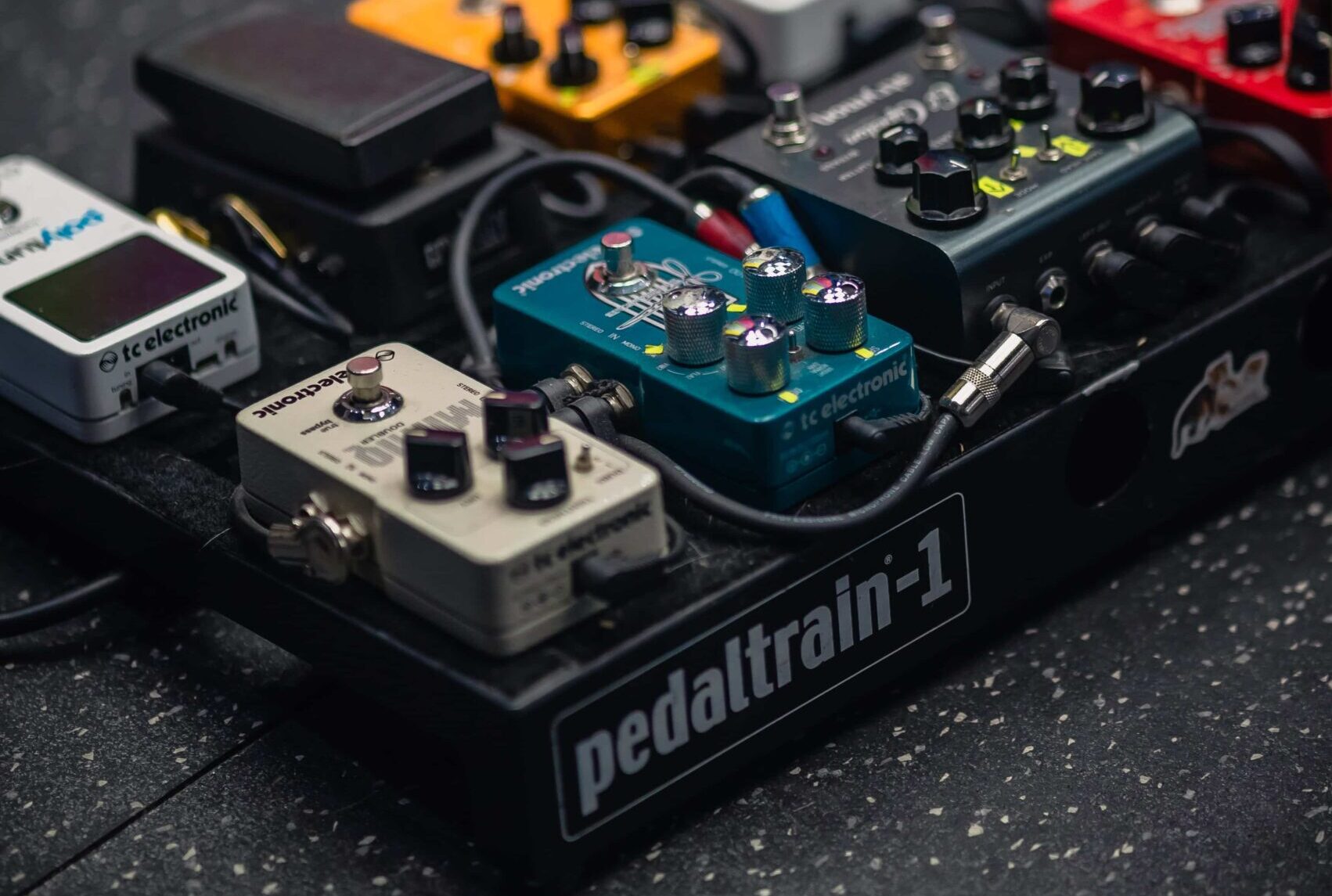
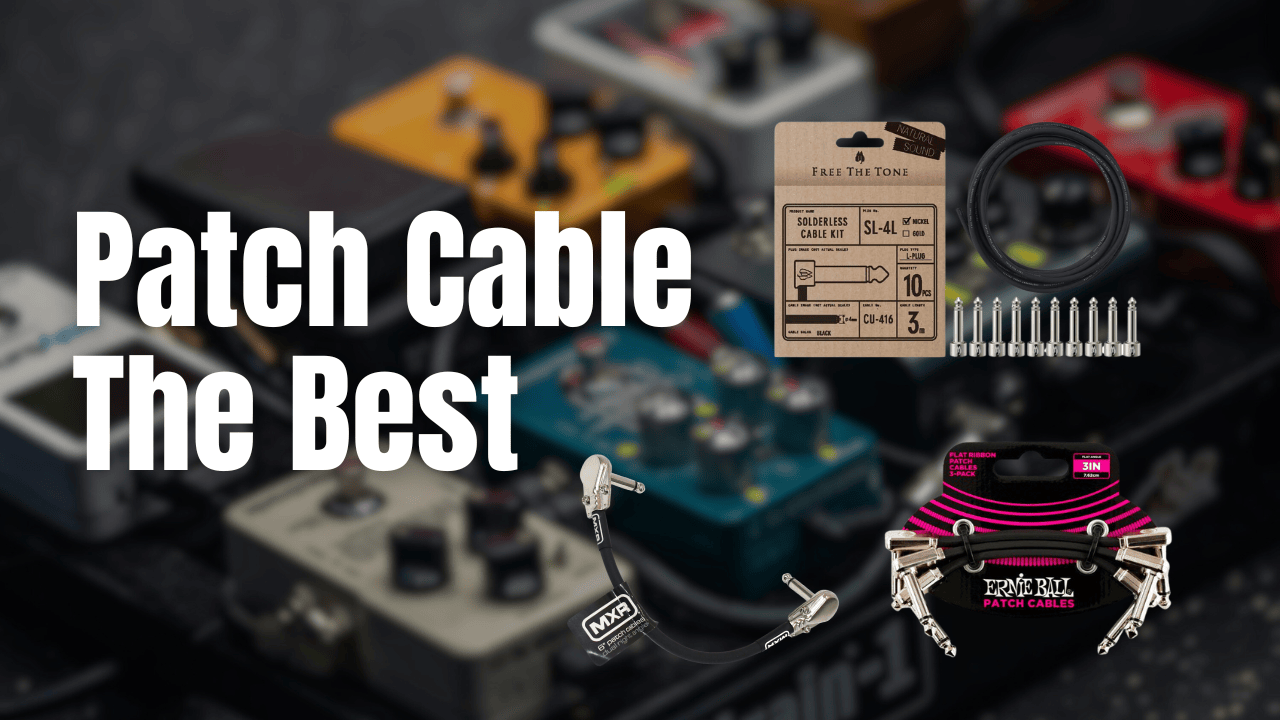
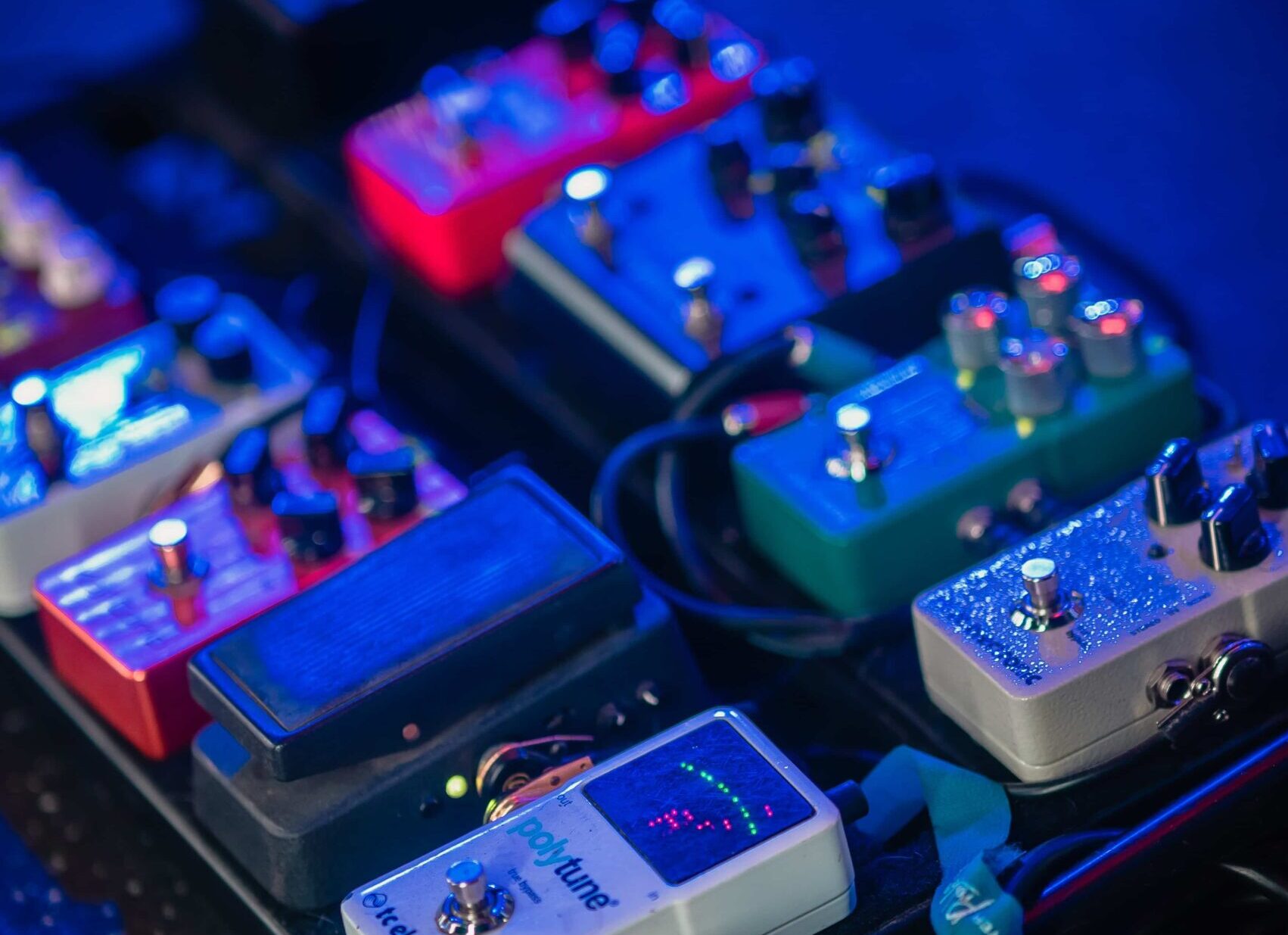
A pedalboard is designed to mount and keep your effects pedals organized in one place.
By securing gear with hook-and-loop tape, setting up becomes fast and effortless wherever you play.
Even if you only use two or three stompboxes, a board makes gigging and practicing far easier, making it essential for pedal users.
Types of Pedalboards: Hard Case vs. Soft Case
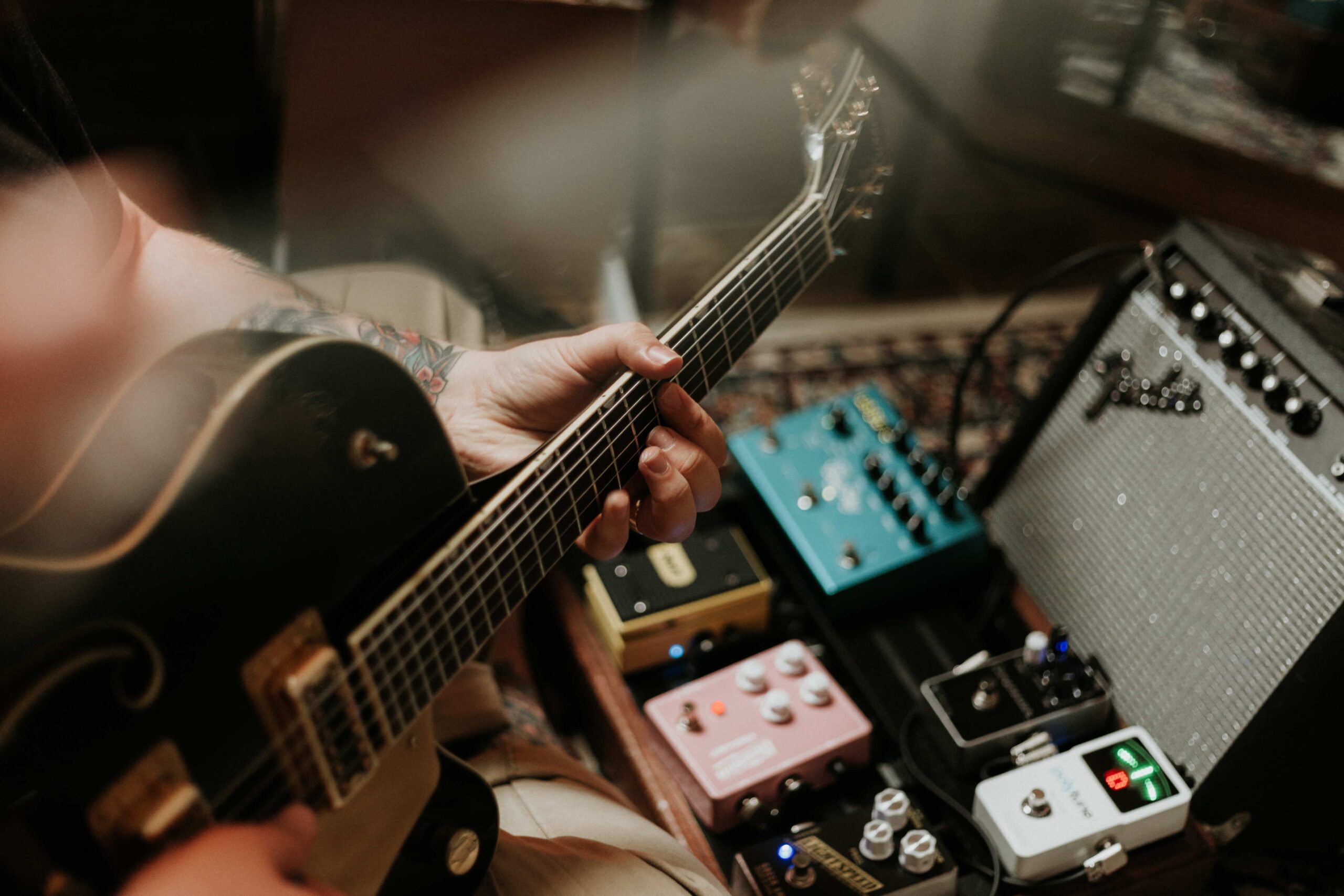
- Hard case
- Soft case
Pedalboards generally fall into these two main categories.
Here are the pros and cons of each style.
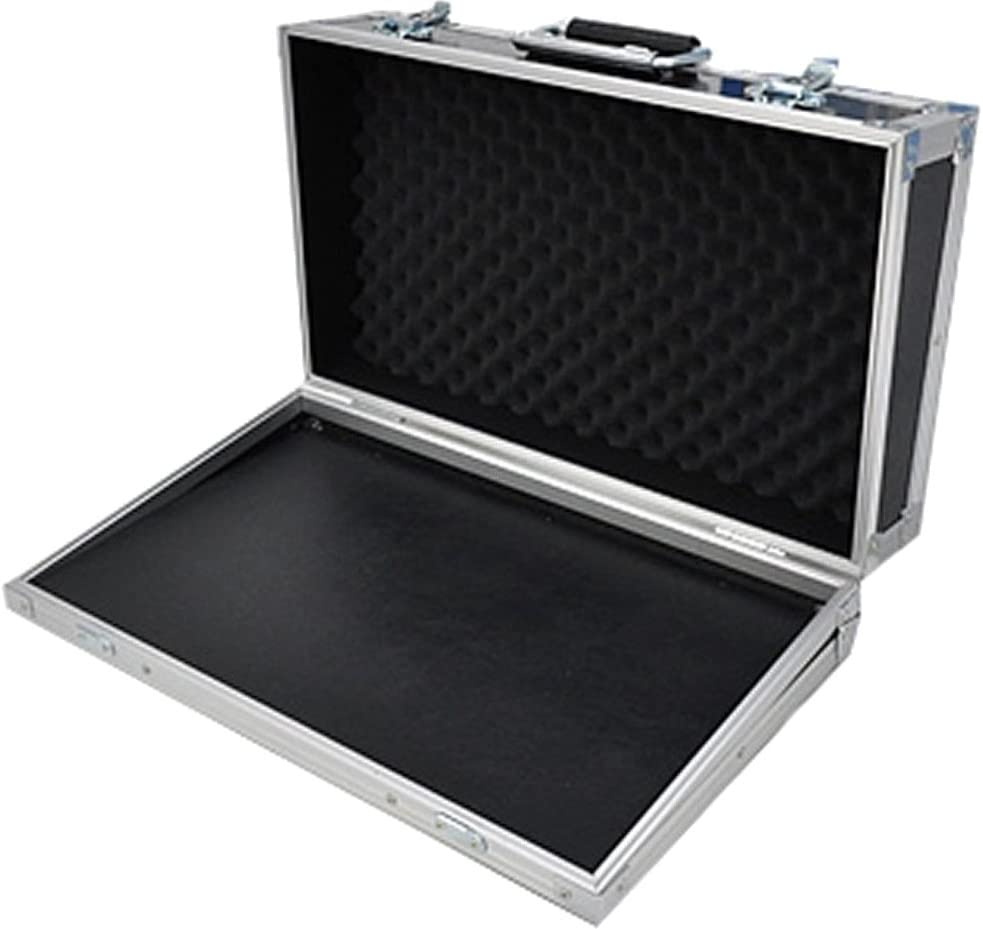
Hard Case
| Pros | Cons |
|---|---|
| Superior pedal protection High durability (Hardware longevity depends on build quality) Stands upright independently | Tends to be heavy Cable routing can easily get cluttered Prone to dust buildup |
The biggest advantage of a hard case pedalboard is maximum protection for your gear.
Pro musicians who frequently transport equipment often rely on hard cases for peace of mind.
On the downside, they add noticeable weight, and routing cables neatly on flat surfaces can be challenging.
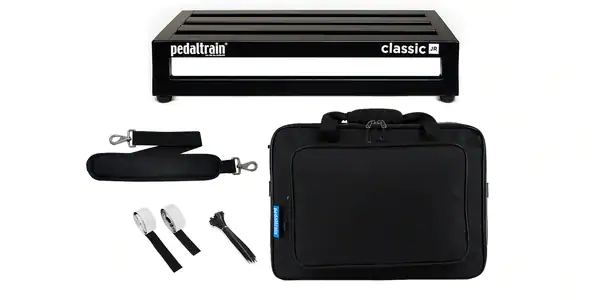
Soft Case (Slatted Frame)
| Pros | Cons |
|---|---|
| Lightweight and highly portable Cables route underneath for clean layout Power supply can be mounted underneath (depending on frame height) Soft cases often include accessory pockets | Lower impact protection (workarounds available) Requires careful pedal layout based on size Unstable when stored standing upright |
Slatted boards paired with soft cases excel in portability, compact footprint, and clean presentation.
While protection during transit isn't as robust as a hard case, adding protective foam inside helps cushion your setup (securing control knobs with painter's tape prevents accidental setting changes).

How to Choose a Pedalboard
1. Slatted vs. Solid Board
When choosing a pedalboard, the first decision is whether to go with a slatted or solid board.
Both have their advantages, but more players tend to choose slatted boards for their portability and easier cable management.
If rugged durability matters more to you than transport weight, a solid board is perfectly fine too.
2. Hard Case vs. Soft Case
Slatted boards mostly come with soft cases, but some offer hard case options, while other players build DIY slatted inserts to fit standard hard cases.
The main deciding factor here is how much impact protection and strength you need during transport.
If you fly or ship your gear, definitely go with a hard case.
If you carry your board yourself and aren't overly worried about rough handling, a soft case should work great.

3. What is the right size?
In short, the ideal size depends on how many pedals you plan to set up, but there are a few key points to keep in mind.
- Factor in extra room for cabling, not just the pedals.
Slat-style boards let you route cables underneath, keeping the footprint a bit more compact. - Think ahead about how large a rig you want to haul around while keeping portability in mind.
- Make sure a board that fits only your current pedals won't limit you too quickly.
Rather than simply adding up the dimensions of your current pedals, plan ahead for cable routing and future expansion.
- "I don't use a loop switcher now, but I might add one later."
- "I only need room for one or two more pedals."
Choosing a board can be tricky because going too big or too small can both create issues.
4. Check height and angle
Angled boards make stomping on pedals easier and feel more accessible than flat options.
If you choose a slat-style board, make sure it has enough clearance underneath to mount a power supply.
Smaller boards often lack sufficient clearance underneath, though you can add taller rubber feet to raise them if needed.
10 Recommended Pedalboards | Comparison Chart
|  |  |  |  |  |  |  |  |  | |
|---|---|---|---|---|---|---|---|---|---|---|
| Brand | Pedaltrain | Pedaltrain | Pedaltrain | Palmer | Palmer | Fender | ARMOR | ARMOR | KC | KC |
| Model | Classic JR | Metro 16 | Classic 2 | Pedalbay 40 | Pedalbay 60 | Pedal Board with Bag, Small | PS-3C | PS-2C | EC-60 | EC-70 |
| Dimensions | 45.7×31.7×8.9cm | 40.6 x 20 x 3.5 cm | 60.9×31.7×8.9cm | 45×30.5×7〜8.5cm | 60.5×30.5×7〜8.5cm | 45.7×32.5×7.3cm | 45.5×25.5×8cm | 55×31×8cm | 49.5×25×6.5cm | 53.5×31.5×6.5cm |
| Weight | 1.36 kg | 0.58 kg | 1.47 kg | 1.2 kg | 4.6 kg (incl. case) | 1.7 kg | Approx. 3.6 kg (incl. case) | Approx. 5 kg (incl. case) | Approx. 2.5 kg (incl. case) | Approx. 2.9 kg (incl. case) |
| Case Type | Soft case Hard case | Soft case | Soft case Hard case | Soft case | Soft case | Soft case | Hard case | Hard case | Hard case | Hard case |
| Approx. price | $160 | $100 | $190 | $120 | $140 | $170 | about ¥15,730 (yen reference) | about ¥17,160 (yen reference) | about ¥5,600 (yen reference) | about ¥7,700 (yen reference) |
| Retailers | Rakuten Amazon | Rakuten Amazon | Rakuten Amazon | Rakuten Amazon | Rakuten Amazon | Rakuten Amazon | Rakuten Amazon | Rakuten Amazon | Rakuten Amazon | Rakuten Amazon |
Pedaltrain, Palmer, and Fender figures are rounded US street prices for the soft-case or bag version, before tax, as of November 6, 2026. Figures still in yen are a yen reference, not a converted US price. Not a live quote.
10 Recommended Pedalboards | Soft Case Options
[Top Pick] Pedaltrain
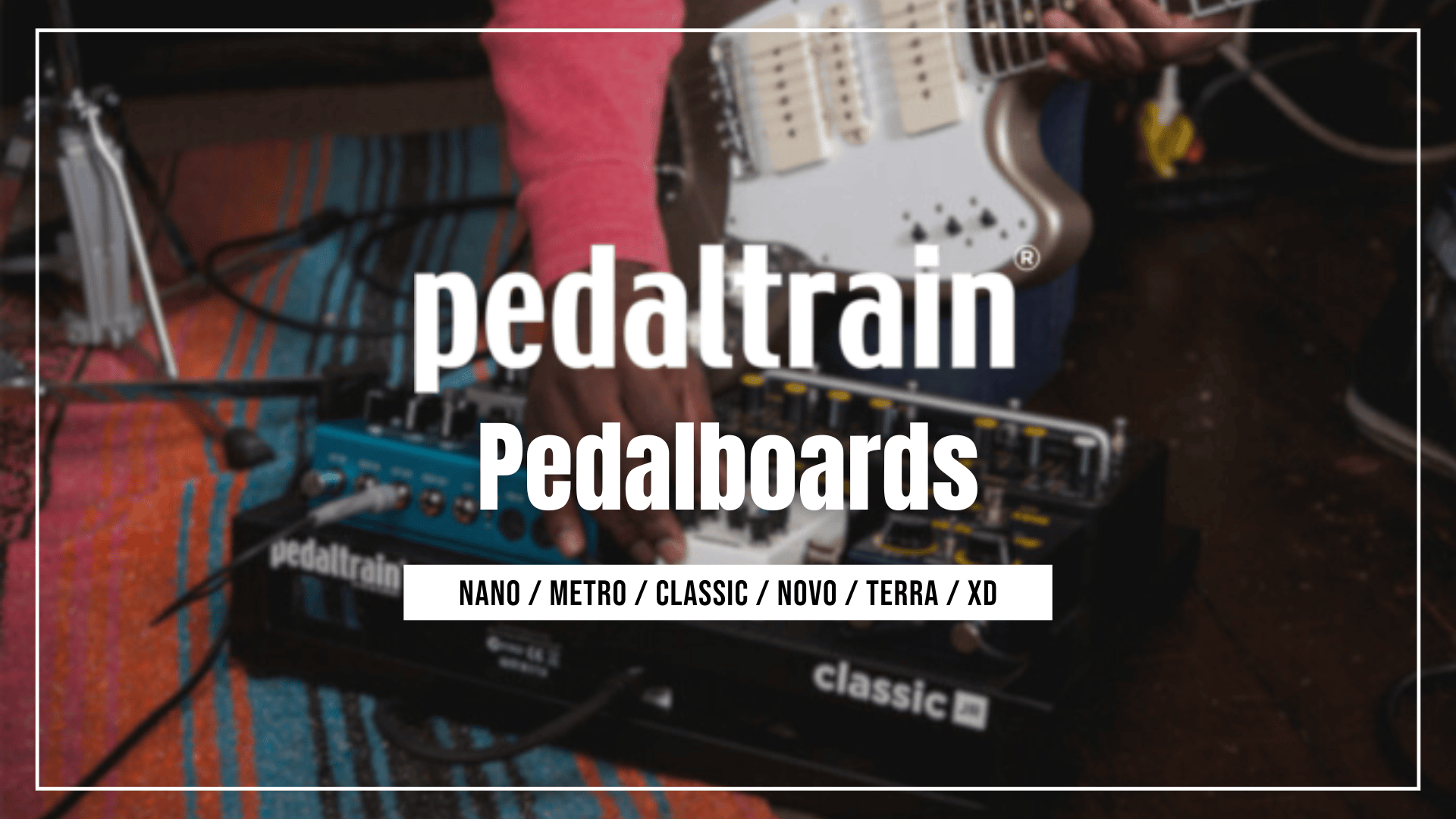
Classic JR
| Dimensions | 45.7×31.7×8.9cm |
| Weight | 1.36 kg |
| Case Type | Soft case Hard case |
Pedaltrain enjoys massive popularity and high praise among soft-case pedalboards.
The build quality, board finish, and soft case are all exceptional—you simply can't go wrong choosing a Pedaltrain.
The Classic JR is their most well-balanced and popular model.
Its sizing comfortably accommodates a row of standard stompboxes or a setup with a loop switcher.
Thanks to its height, you can easily mount a power supply underneath.
It's also great that hard case options are available alongside the soft case versions.


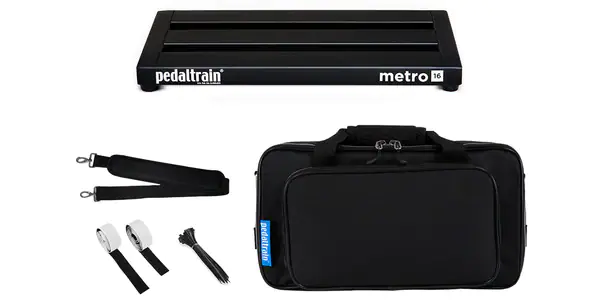
Metro 16
| Board size | 40.6 x 20 x 3.5 cm |
| Board weight | 0.58 kg |
| Case type | Soft case |
The Metro 16 is remarkably compact.
Even so, it can fit about 5 to 8 pedals, which is more than enough for many setups.
Because of its low profile, mounting a power supply underneath requires a bit of work, such as adding taller rubber feet for extra clearance.

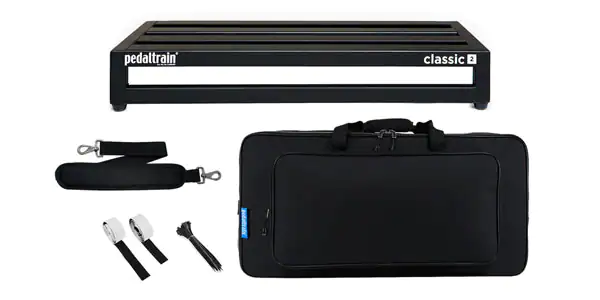
Classic 2
| Board dimensions | 60.9×31.7×8.9cm |
| Board weight | 1.47 kg |
| Case options | Soft case Hard case |
This is a large-frame model and one of Pedaltrain's flagships.
It is a solid choice for players building complex rigs centered around programmable switchers or MIDI-capable pedals.
If you fully load a board of this size with pedals, it becomes quite heavy, so transporting it in a hard case paired with a cart or dolly is recommended.


Palmer
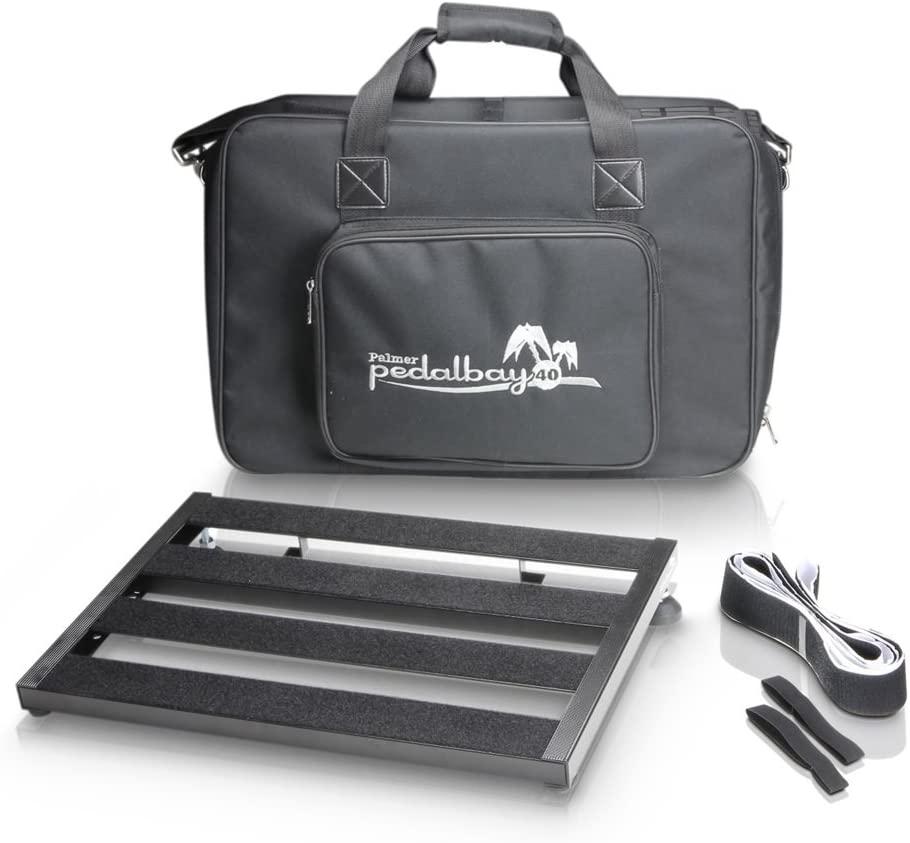
Pedalbay 40
| Board Size | 45 × 30.5 × 7–8.5 cm |
| Weight | 1.2 kg |
| Case Type | Soft Case |
Palmer offers affordable slatted pedalboards.
They offer great functionality, letting you adjust the tilt angle and fine-tune rail spacing in 1 cm increments.
You can easily mount a power supply underneath.
Sized to fit around 8 to 12 pedals.

Pedalbay 60
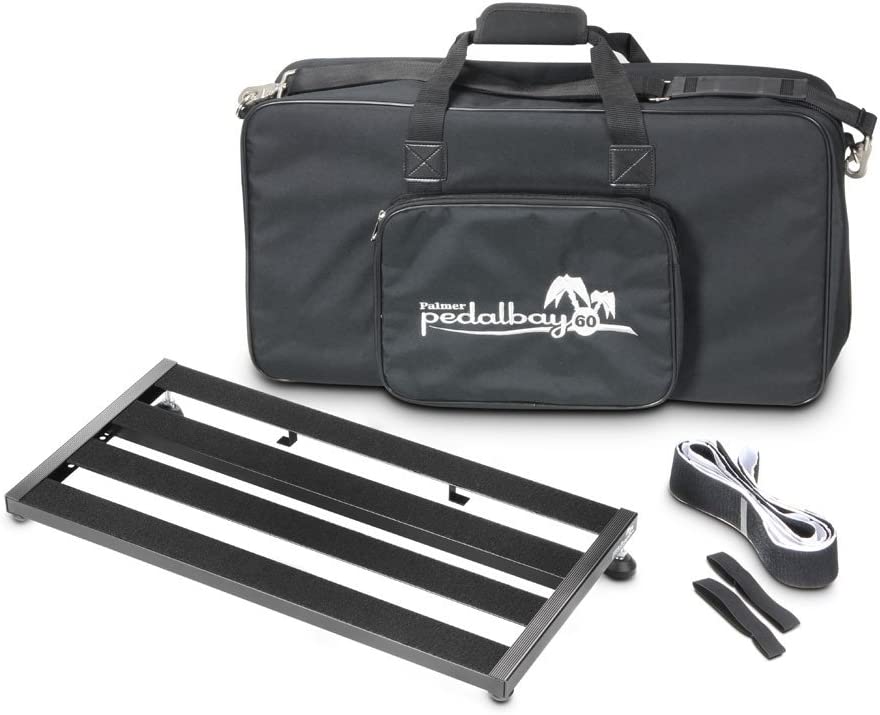
| Board dimensions | 60.5 × 30.5 × 7–8.5 cm |
| Board weight | 4.6 kg (including case) |
| Case type | Soft case |
A wide-format pedalboard from Palmer.
This model also features adjustable tilt angle and crossbar spacing.
Mounting a power supply underneath is no problem.
Sized to fit roughly 10 to 14 pedals.

Fender
Pedal Board with Bag, Small
| Board Size | 45.7×32.5×7.3cm |
| Board Weight | 1.7 kg |
| Case Type | Gig Bag |
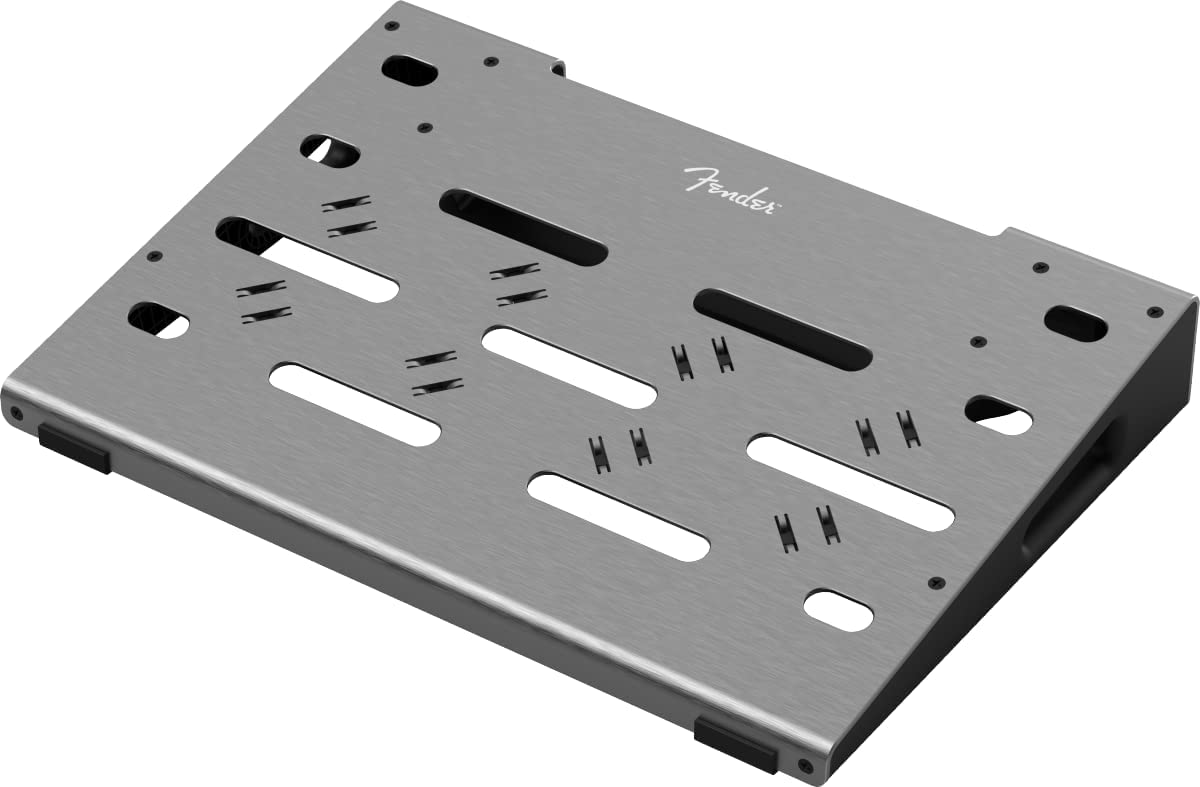
Fender actually makes a sleek pedalboard as well.
Its precision-machined, low-profile anodized chassis balances lightweight portability with durability.
The underside comes pre-configured with dedicated space to mount a power supply.
Though on the pricier side, its premium fit and finish—along with a unique design that stands out—have kept it consistently in high demand and hard to find in stock.

Large size

10 Recommended Pedalboards | Hard Cases
ARMOR
PS-3C
| Dimensions | 45.5 × 25.5 × 8 cm |
| Weight | Approx. 3.6 kg (including case) |
| Case Type | Hard Case |
While it is on the heavier side, if durability and build quality are your top priorities for a hard case, ARMOR is hands down the top choice.
It uses FRP (Fiber Reinforced Plastic), a composite material lighter and stronger than steel that is also used in surfboards and car bumpers.
It is tough enough to have legendary status, with stories of gear surviving car accidents inside it.
It offers a relatively compact footprint that holds around 6 to 8 pedals.

PS-2C
| Board Size | 55×31×8cm |
| Board Weight | Approx. 5 kg (including case) |
| Case Type | Hard case |
A mid-sized board that also features high-durability FRP construction.
Although mid-sized, it gets quite heavy once loaded with pedals, so many players use a cart or dolly to transport it.
If you're building a board around a loop switcher, this size or larger is recommended.

KC / Kyoritsu Corporation
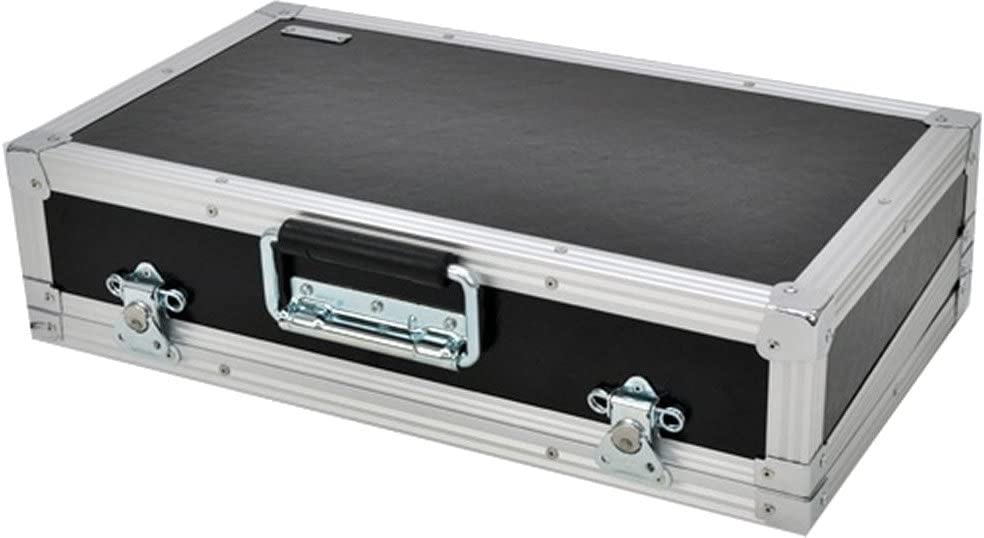
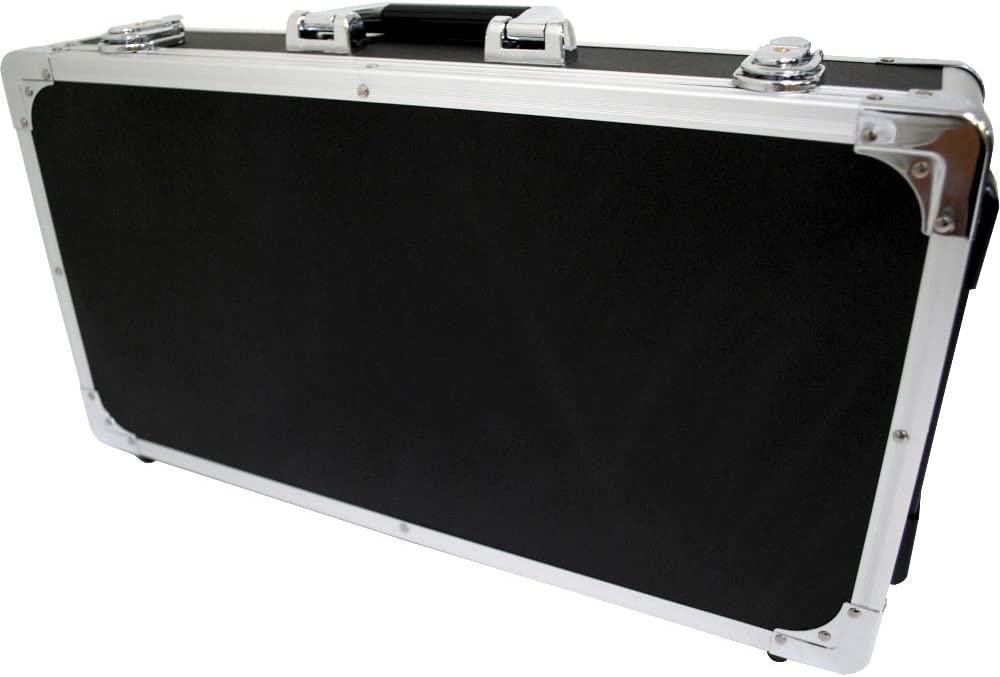
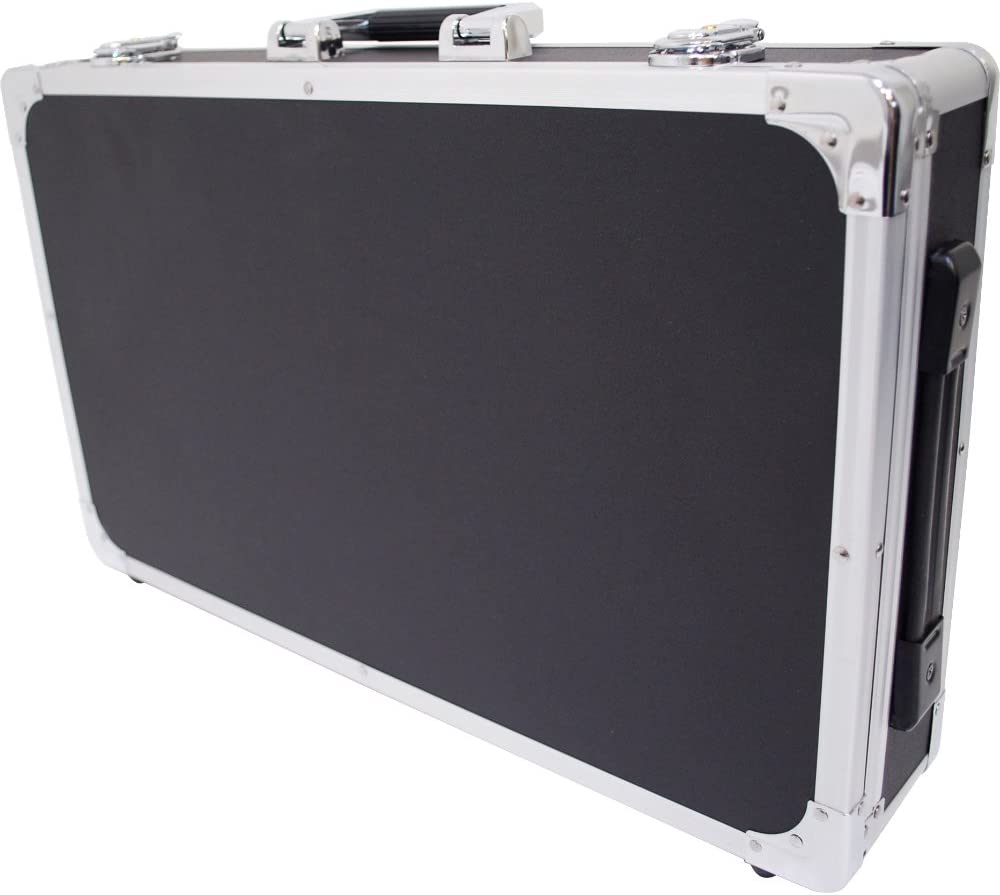
EC-60
| Board Size | 49.5×25×6.5 cm |
| Weight | Approx. 2.5 kg (inc. case) |
| Case Type | Hard case |
If you want a hard case but don't need tour-grade toughness—and prefer to keep things light—
this KC board is a great choice.
Best of all, it's very reasonably priced.
It offers plenty of durability for everyday use while staying budget-friendly for your first pedalboard.
With a wide lineup of sizes available, finding the right fit for your rig is easy.
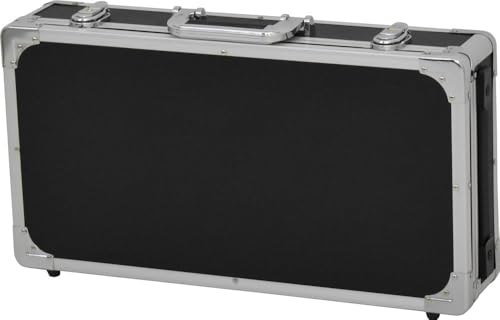
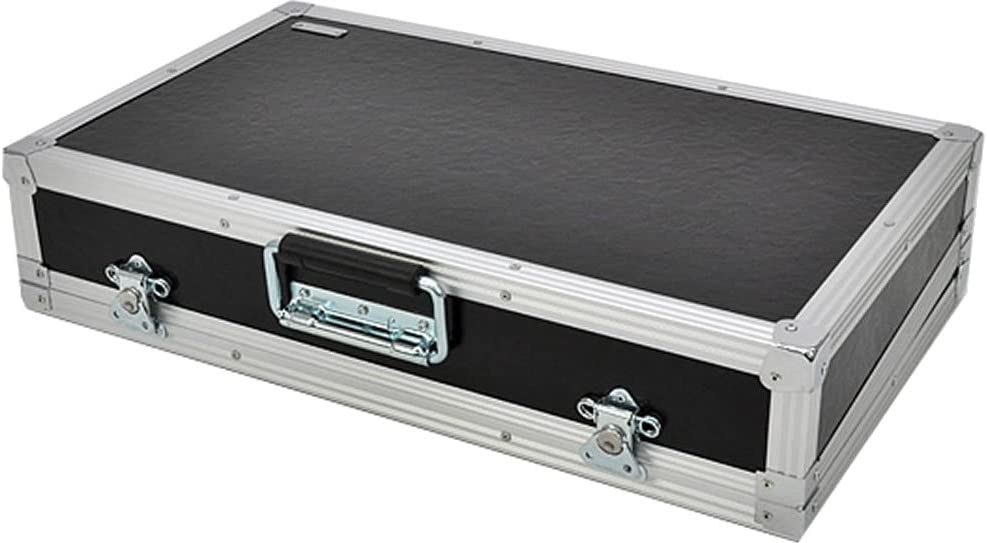
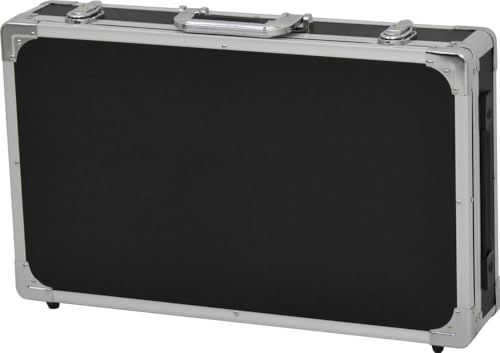
EC-70
| Board dimensions | 53.5 × 31.5 × 6.5 cm |
| Board weight | Approx. 2.9 kg (including case) |
| Case type | Hard case |
The EC-70 features a slightly deeper footprint.
While it isn't featherweight, the board itself is reasonably light, making it manageable to carry by hand.
Comparison table
| | | | | | | | | | |
|---|---|---|---|---|---|---|---|---|---|---|
| Brand | Pedaltrain | Pedaltrain | Pedaltrain | Palmer | Palmer | Fender | ARMOR | ARMOR | KC | KC |
| Model | Classic JR | Metro 16 | Classic 2 | Pedalbay 40 | Pedalbay 60 | Pedal Board with Bag, Small | PS-3C | PS-2C | EC-60 | EC-70 |
| Dimensions | 45.7×31.7×8.9 cm | 40.6 x 20 x 3.5 cm | 60.9×31.7×8.9 cm | 45×30.5×7–8.5 cm | 60.5×30.5×7–8.5 cm | 45.7×32.5×7.3 cm | 45.5×25.5×8 cm | 55×31×8 cm | 49.5×25×6.5 cm | 53.5×31.5×6.5 cm |
| Weight | 1.36 kg | 0.58 kg | 1.47 kg | 1.2 kg | 4.6 kg (incl. case) | 1.7 kg | Approx. 3.6 kg (incl. case) | Approx. 5 kg (incl. case) | Approx. 2.5 kg (incl. case) | Approx. 2.9 kg (incl. case) |
| Case Type | Soft Case Hard Case | Soft Case | Soft Case Hard Case | Soft Case | Soft Case | Soft Case | Hard Case | Hard Case | Hard Case | Hard Case |
| Approx. price | $160 | $100 | $190 | $120 | $140 | $170 | about ¥15,730 (yen reference) | about ¥17,160 (yen reference) | about ¥5,600 (yen reference) | about ¥7,700 (yen reference) |
| Shop | Rakuten Amazon | Rakuten Amazon | Rakuten Amazon | Rakuten Amazon | Rakuten Amazon | Rakuten Amazon | Rakuten Amazon | Rakuten Amazon | Rakuten Amazon | Rakuten Amazon |