
日本語English
Kemper Lineup Compared: HEAD vs. Rack vs. PLAYER vs. STAGE Differences & How to Choose
XTONES is a participant in affiliate programs including Amazon Associates and Reverb. We may earn a commission from qualifying purchases made through links on this page, at no extra cost to you.
Contents (27)
The Kemper Profiling Amplifier digitally recreates tube amp sound with incredible precision, making it a modeling amp trusted by everyone from amateurs to pros.
Even over a decade after its release, it remains a staple piece of gear for live performance and studio recording.
However, Kemper currently offers four models—HEAD, Rack, PLAYER, and STAGE—and many guitarists wonder about their differences and how to choose the right one.
- Which one is best for home practice and home recording?
- How do they perform on stage?
- Which model is built for pros?
In this guide, we thoroughly compare the specs, features, usability, and sound of all four Kemper models to help you choose the best option for your setup.
If you are considering buying a Kemper, use this comparison to guide your decision.


Kemper Lineup Detailed Comparison | Specs Overview
 |  |  |  | |
|---|---|---|---|---|
| Model | HEAD | Rack | Stage | Player |
| Dimensions | Approx. 37.8 × 17.3 × 21.7 cm | Approx. 48.3 × 22 × 13.9 cm | Approx. 47 × 26 × 8.5 cm | Approx. 14.5 × 16.6 × 6.8 cm |
| Weight | N: Approx. 5.3 kg P: Approx. 6.5 kg | N: Approx. 5.0 kg P: Approx. 6.2 kg | Approx. 4.6 kg | Approx. 1.11 kg |
| Built-in Power Amp | Optional | Optional | ||
| Profiling | ||||
| Presets / Rigs | Hundreds up to ~1,000 Rigs (Includes Performance Mode) | Hundreds up to ~1,000 Rigs (Includes Performance Mode) | Hundreds up to ~1,000 Rigs (Includes Performance Mode) | 50 Rigs (*Expandable up to 625 Rigs via software upgrade) |
| Simultaneous FX | Max 8 slots (4 pre + 4 post) | Max 8 slots (4 pre + 4 post) | Max 8 slots (4 pre + 4 post) | 4 slots (2 pre + 2 post) |
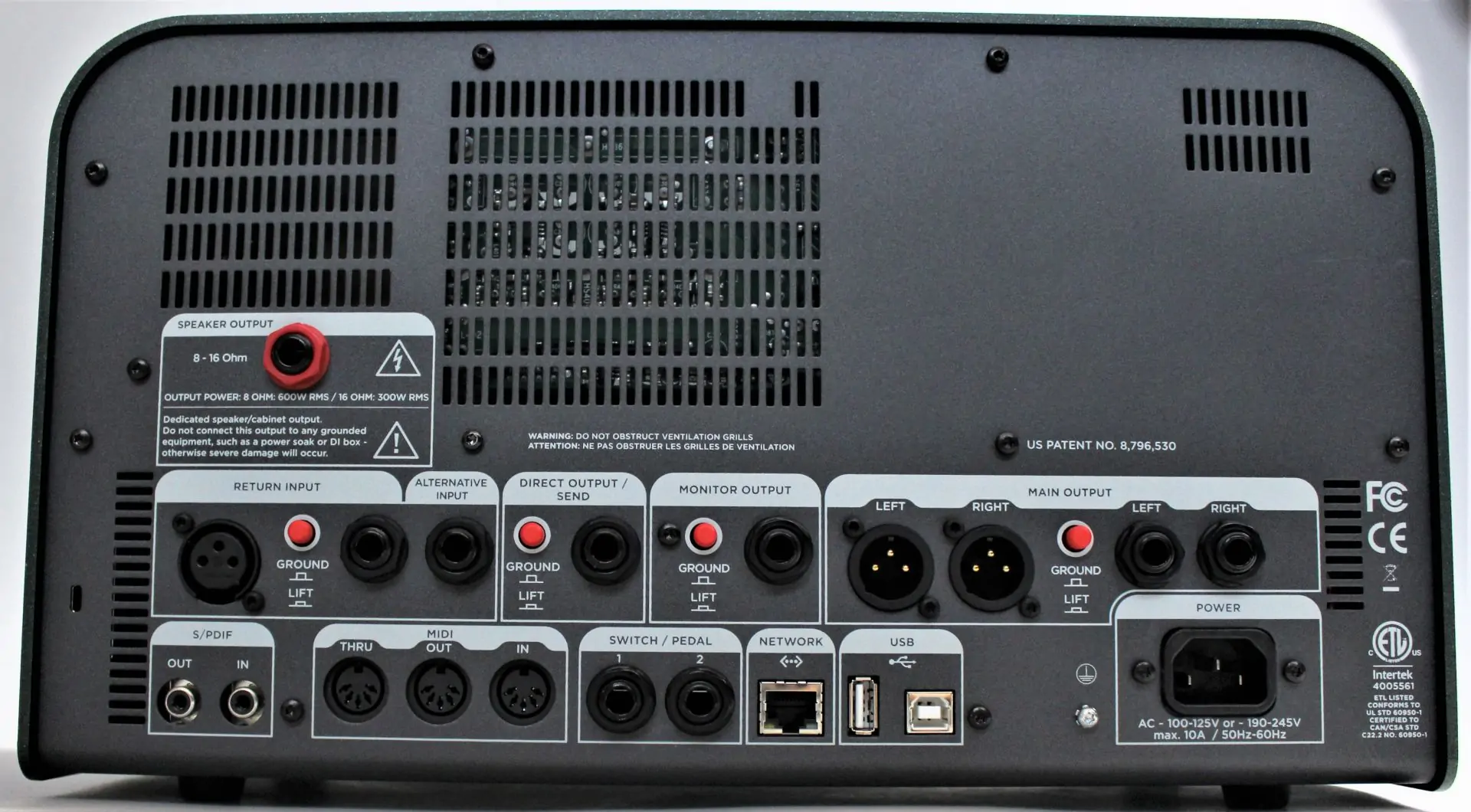
| I/O Ports | Guitar Input (Front) Main Out L/R (XLR + TS) Monitor Out Direct Out / Send / Return MIDI IN/OUT/THRU S/PDIF I/O Headphone out, 2x Pedal jacks Remote jack (RJ45) | Guitar Input (Front) Main Out L/R (XLR + TS) Monitor Out Direct Out / Send / Return MIDI IN/OUT/THRU S/PDIF I/O Headphone out, 2x Pedal jacks Remote jack (RJ45) | Guitar Input Main Out L/R (XLR) Monitor Out 2x Send / 2x Return MIDI IN/OUT/THRU S/PDIF I/O Headphone out 4x Pedal jacks | Guitar Input Main Out (XLR mono) Monitor Out L/R (TRS), Headphone out 1x Pedal jack Bluetooth / Wi-Fi built-in |
| Price Range | N: Approx. $1,400 P: Approx. $1,800 | N: Approx. $1,400 P: Approx. $1,800 | Approx. $1,500 | Approx. $700 |
N is the unpowered model and P is the powered model. Figures are current Sweetwater street prices, rounded, before tax: Head / PowerHead, Rack MK 2 / PowerRack MK 2, Stage MK 2, and Player. Not a live quote.
Kemper Lineup Detailed Comparison | Features & Capabilities
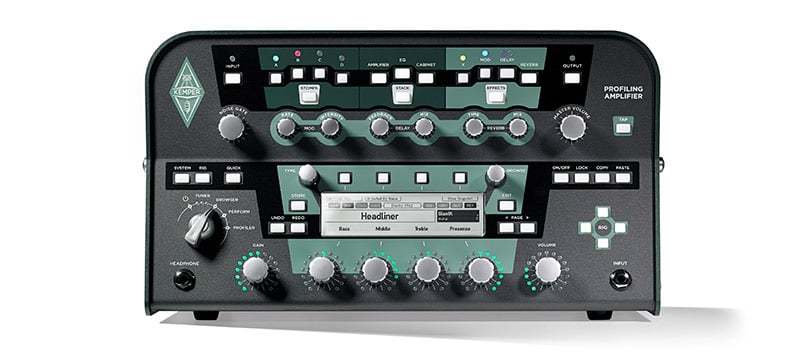
HEAD: Studio & Live "Lunchbox" Amp
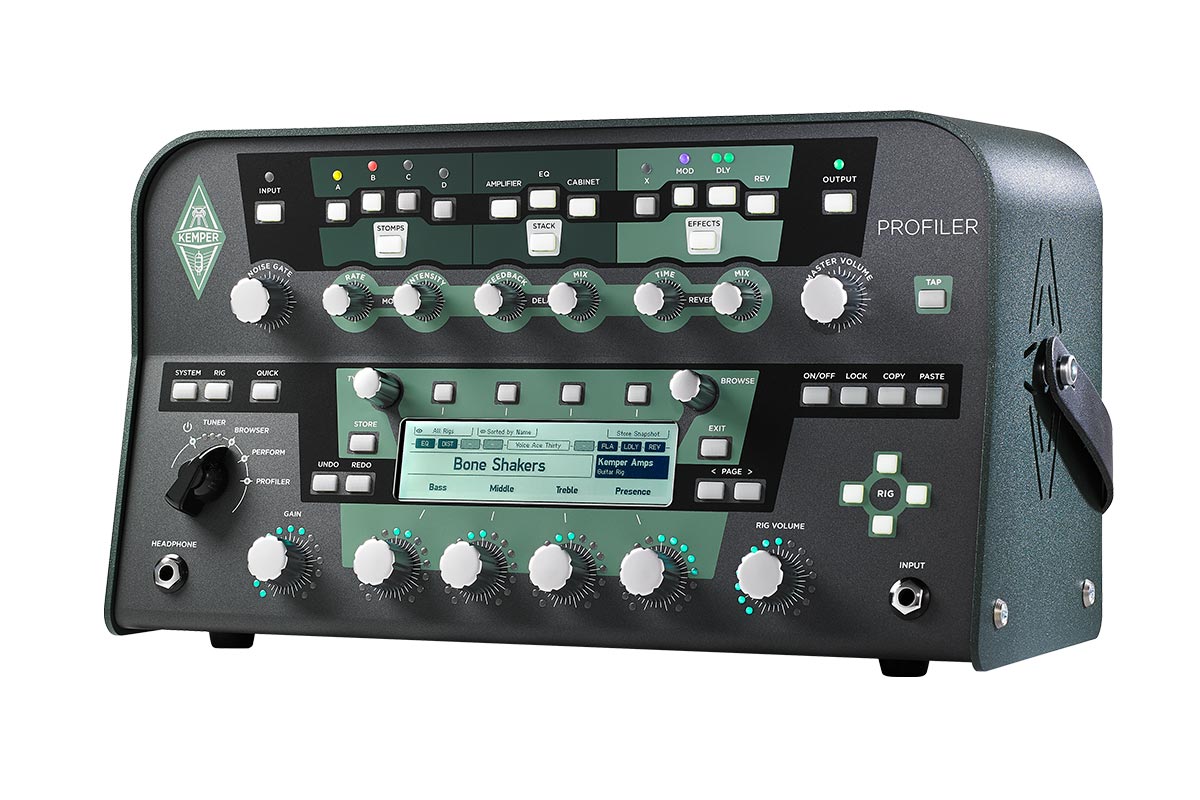
- Lightweight & compact (approx. 5.3 kg / 11.7 lbs)
Easy to transport and fits neatly into a home studio or living room. - Intuitive layout
The front panel features familiar EQ knobs for Gain, Bass, Middle, Treble, and Presence alongside a compact LCD screen and effect switches, giving you hands-on control just like a traditional amp head. - Powered version available (PowerHead)
The PowerHead variant eliminates the need for an external power amp, allowing you to drive a guitar cabinet directly. - Versatile performance
Connect direct via line-out to recording gear or PA systems in the studio, play through studio monitors or headphones at home, or run a PowerHead through a real cabinet with a foot controller on stage. - Supports dedicated foot controller (Profiler Remote)
The Kemper HEAD is the iconic "lunchbox-style" profiler that put the brand on the map. Featuring a distinctive rounded enclosure, it sits neatly atop a guitar cabinet and offers the familiar ergonomics of a traditional amp head.
Who is the HEAD for?
- Players looking for a versatile setup across home, studio, and stage
- Guitarists who want to drive a real guitar cabinet (PowerHead recommended)
- Musicians who want tactile, comprehensive control over their tone
Rack: Rackmountable pro-grade model
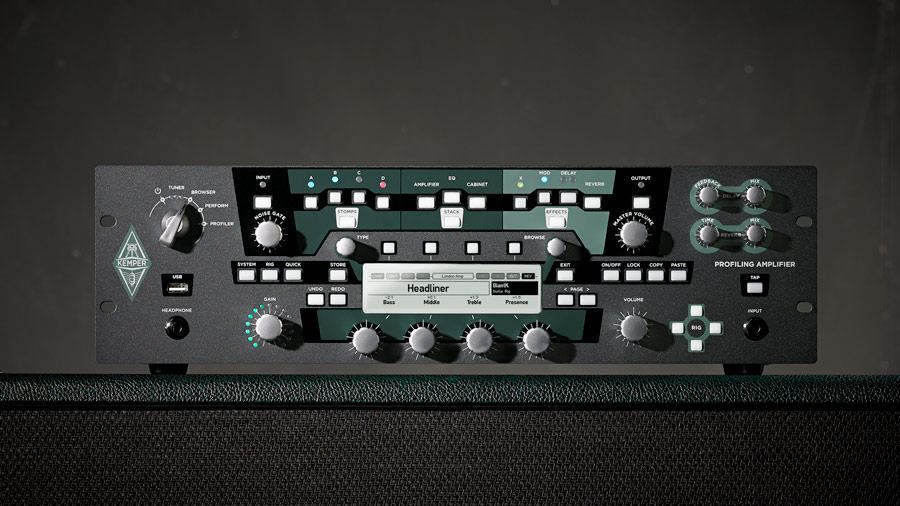
- Identical tone and features to the Head
Includes all profiling features and effects with virtually no difference in sound quality or functionality. - Pro-oriented rack form factor
Easy to transport inside a rack case, making it ideal for touring musicians and studio environments. - Powered version available (PowerRack)
The PowerRack lets you connect directly to a guitar cabinet. - Easy centralized gear management
Many pro guitarists rack up multiple Kemper units together in their setup.
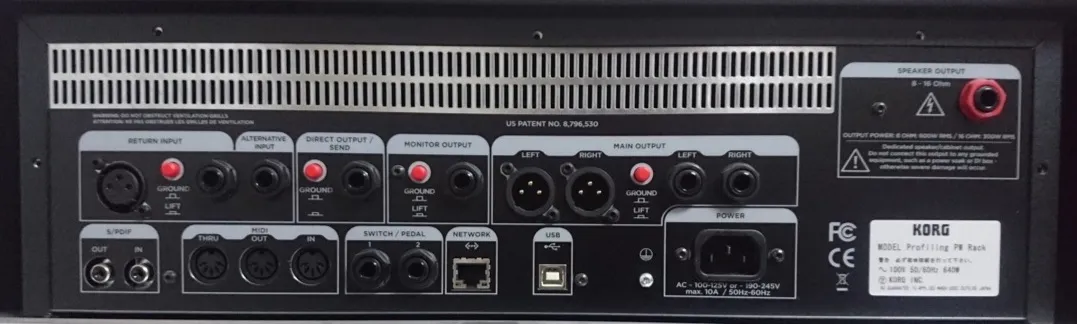
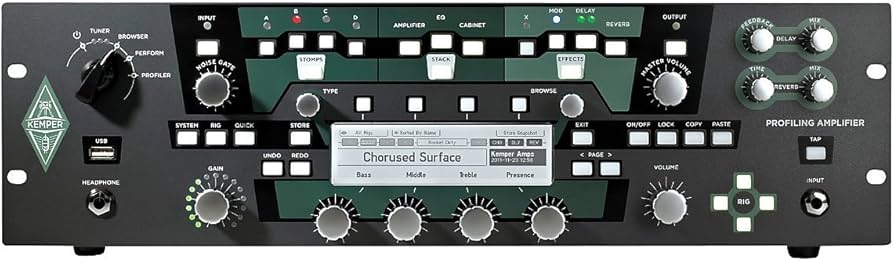
The Kemper Rack packs all the features of the Head into a rackmount chassis designed for professional use.
Designed for standard 19-inch racks (3U size), it fits seamlessly into touring rack cases or studio equipment racks.
The Rack is ideal for players who:
- Want a pro-grade unit for studio recording
- Want to manage all gear together in a rack system
- Need rugged gear built for touring
STAGE: Floorboard unit built for live performance
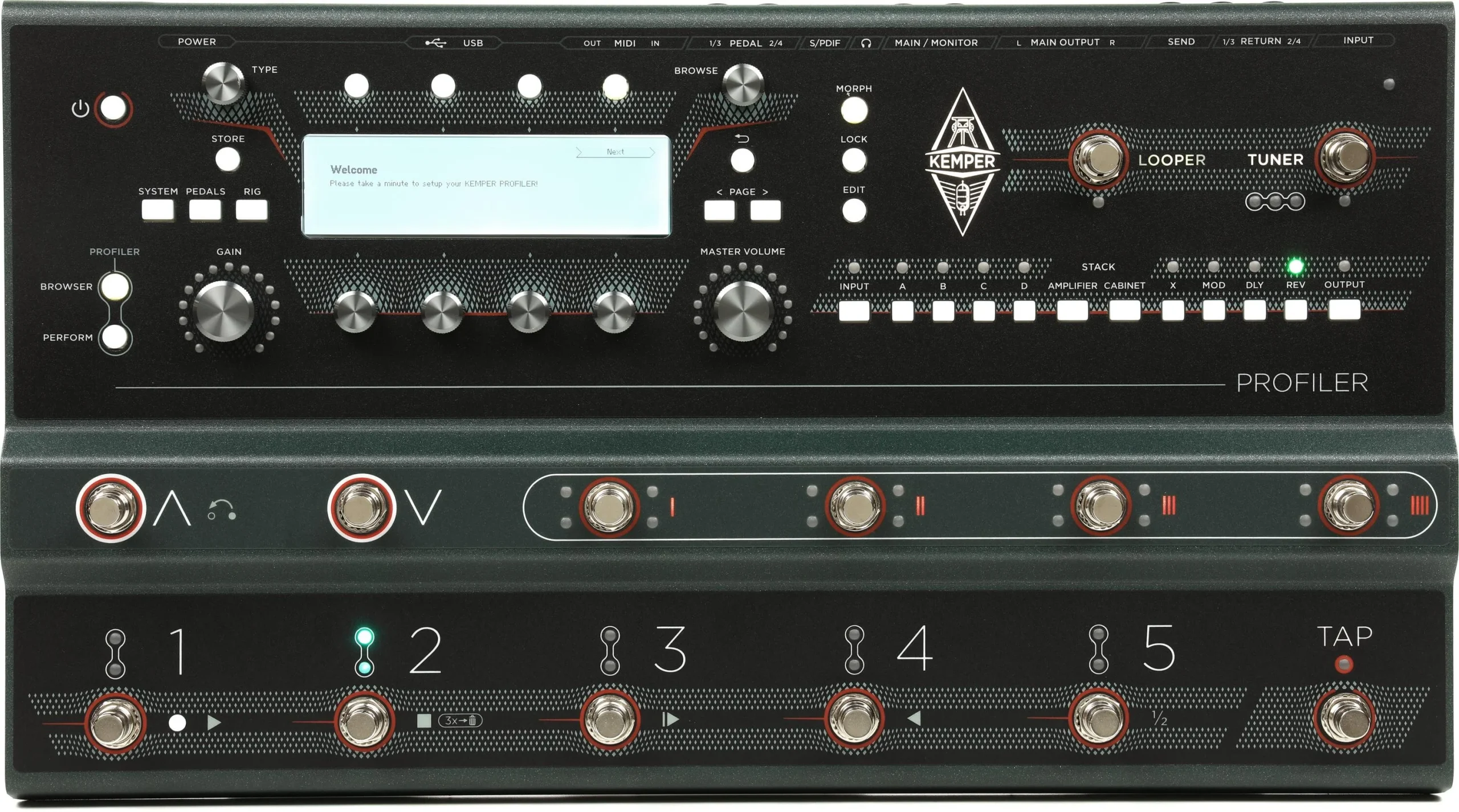
- Live-ready floorboard design
Loaded with footswitches for intuitive effect toggling and rig switching. - Identical profiling & effects engine to HEAD/Rack
Get the full Kemper feature set directly on stage. - Large display
High visibility on dark stages makes parameter tweaks easy. - No external controller required
Unlike the HEAD or Rack versions, there is no need to purchase a separate foot controller.
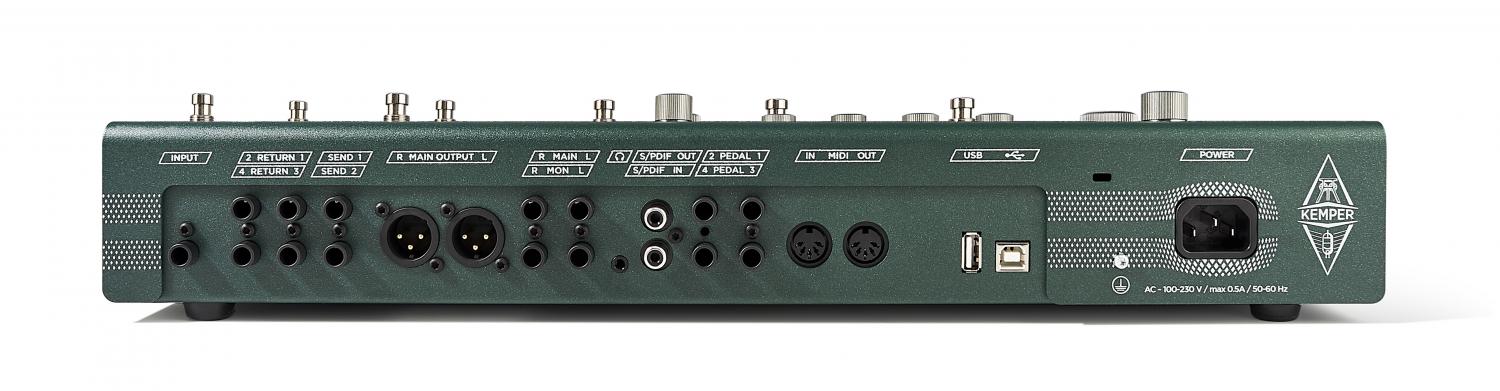
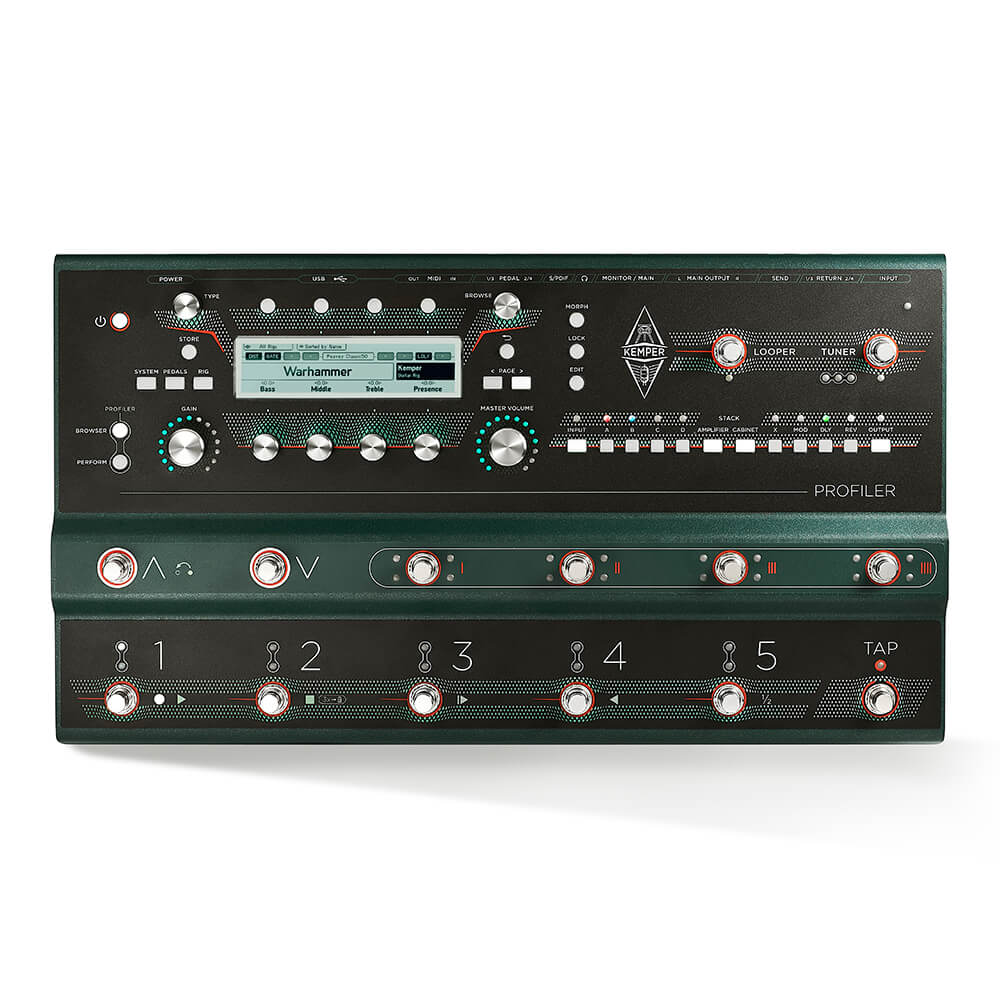
The Kemper STAGE packs the full feature set of Kemper into a floorboard format.
Shaped like a large multi-effects pedalboard, it is engineered specifically for gigging guitarists.
Who is the STAGE best for?
- Players looking for an all-in-one floor unit setup for live gigs
- Guitarists who want dedicated footswitches to switch effects in real time
- Anyone who wants full Kemper features with a simple, streamlined rig
PLAYER: The Most Compact, Affordable Profiler Model
- Ultra-compact design
Fits easily in a gig bag pocket for effortless portability. - Uncompromised Kemper tone
Delivers the exact same sound quality as larger Kemper units (per official specs). - Dedicated Mobile App Integration (Rig Manager)
Built-in Bluetooth lets you dial in tones directly from your smartphone. - Great entry point into Kemper
Simple operation makes it easy for first-time Kemper users to navigate. - Accessible price point
Get authentic Kemper tones for significantly less than full-sized models.
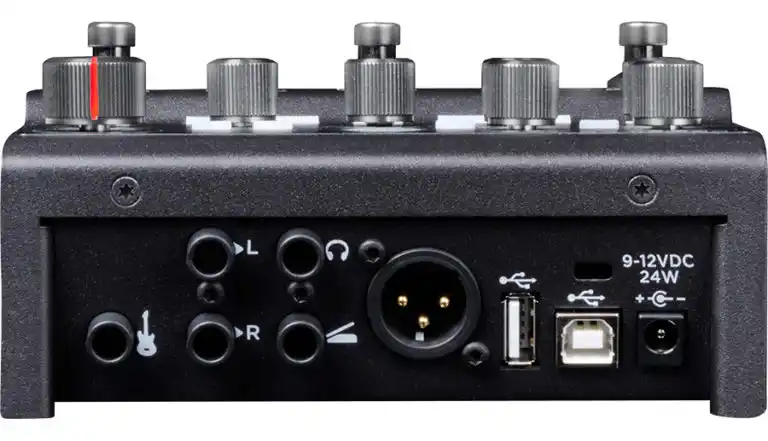
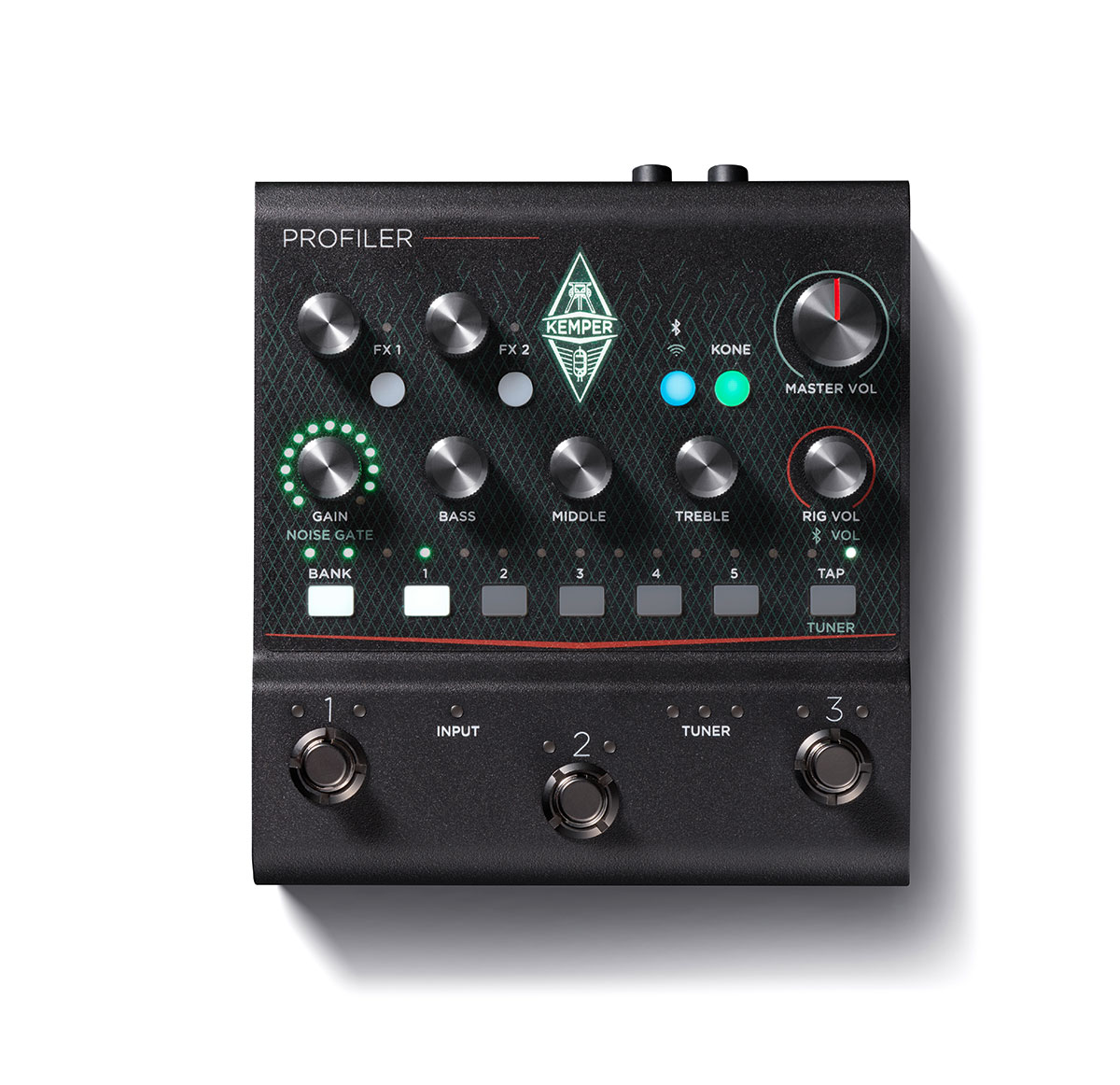
Released in 2024, the Kemper Profiler Player is the smallest compact model in the lineup.
Roughly the size of two standard stompboxes and weighing just 2.4 lbs (1.1 kg), it boasts an ultra-lightweight footprint.
Who is the Player best for?
- Entry-level players looking to try out the Kemper ecosystem
- Guitarists wanting a lightweight Kemper rig for home practice and recording
- Anyone who prefers a simple setup (less ideal for complex live rigs)
Kemper Lineup Comparison: Sound & Tonal Characteristics
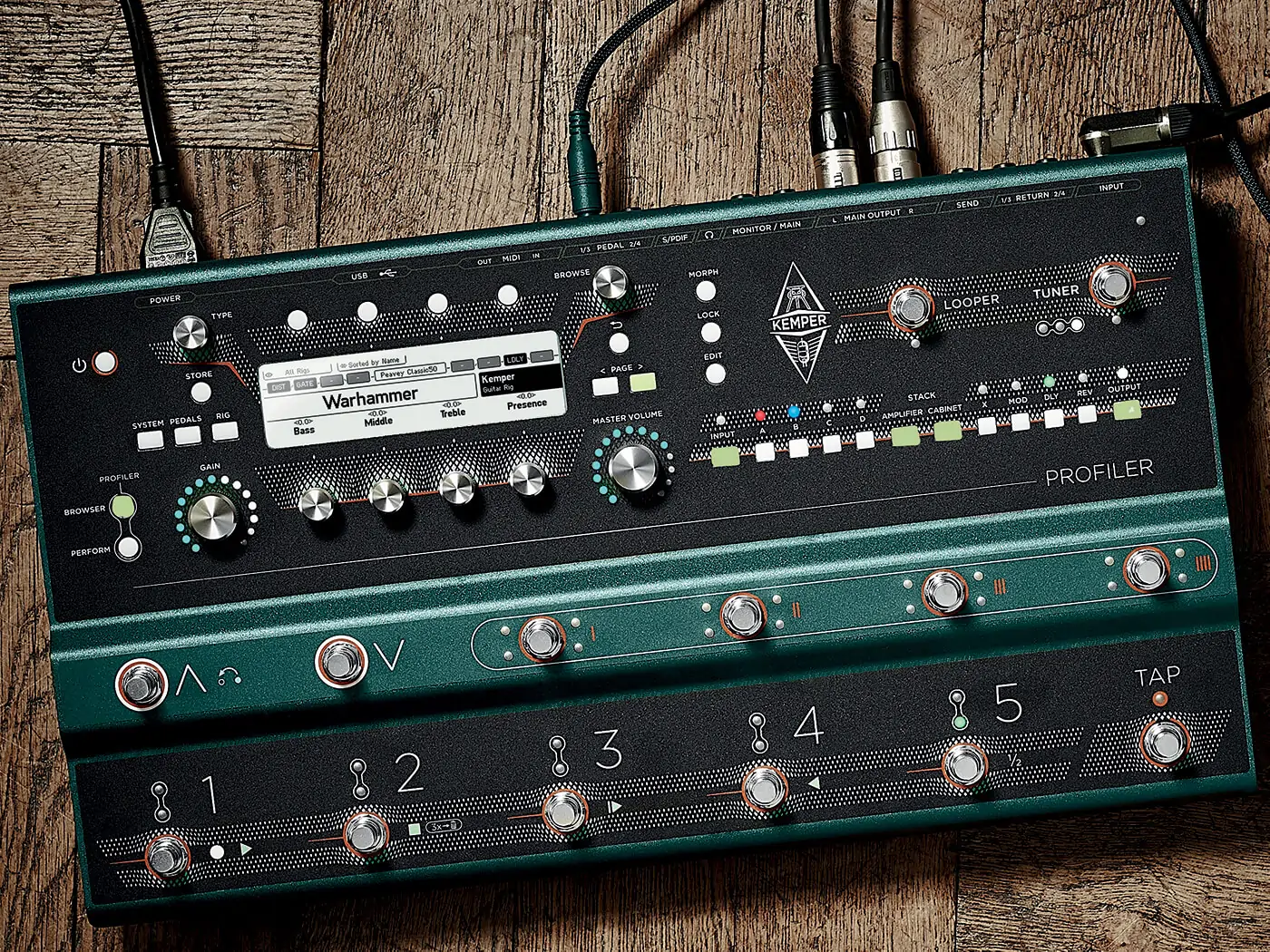
Does Every Kemper Model Sound the Same?
This is a common question among potential buyers, but the short answer is that all Kemper models share the exact same core audio engine and tone.
Whether you choose the Head, Rack, Stage, or Player, the core amp profiling technology runs on the exact same DSP algorithms, so there is zero difference in raw amp tone quality.
In fact, major gear reviews confirm that “the amp sound on the smaller units is identical to their flagship siblings (Head and Stage).” If you load the same profile onto a Head and a Stage and send them out via direct line output, the sound is virtually indistinguishable.
Any subtle differences in sound between models usually down to these factors:
- AD/DA Converters: Subtle variations based on individual audio circuit designs
- Connection Types: Differences when using direct line out (XLR), monitor out (TS), or digital out (S/PDIF)
- External Gear: Variations introduced by power amp choice or speaker cab characteristics when running a physical cabinet
That said, Kemper officially maintains that “every Profiler provides the exact same sonic performance.” Regardless of which unit you pick, you get the same ultra-realistic amp profiling response.
Powered vs. Unpowered Models: Differences & How to Choose
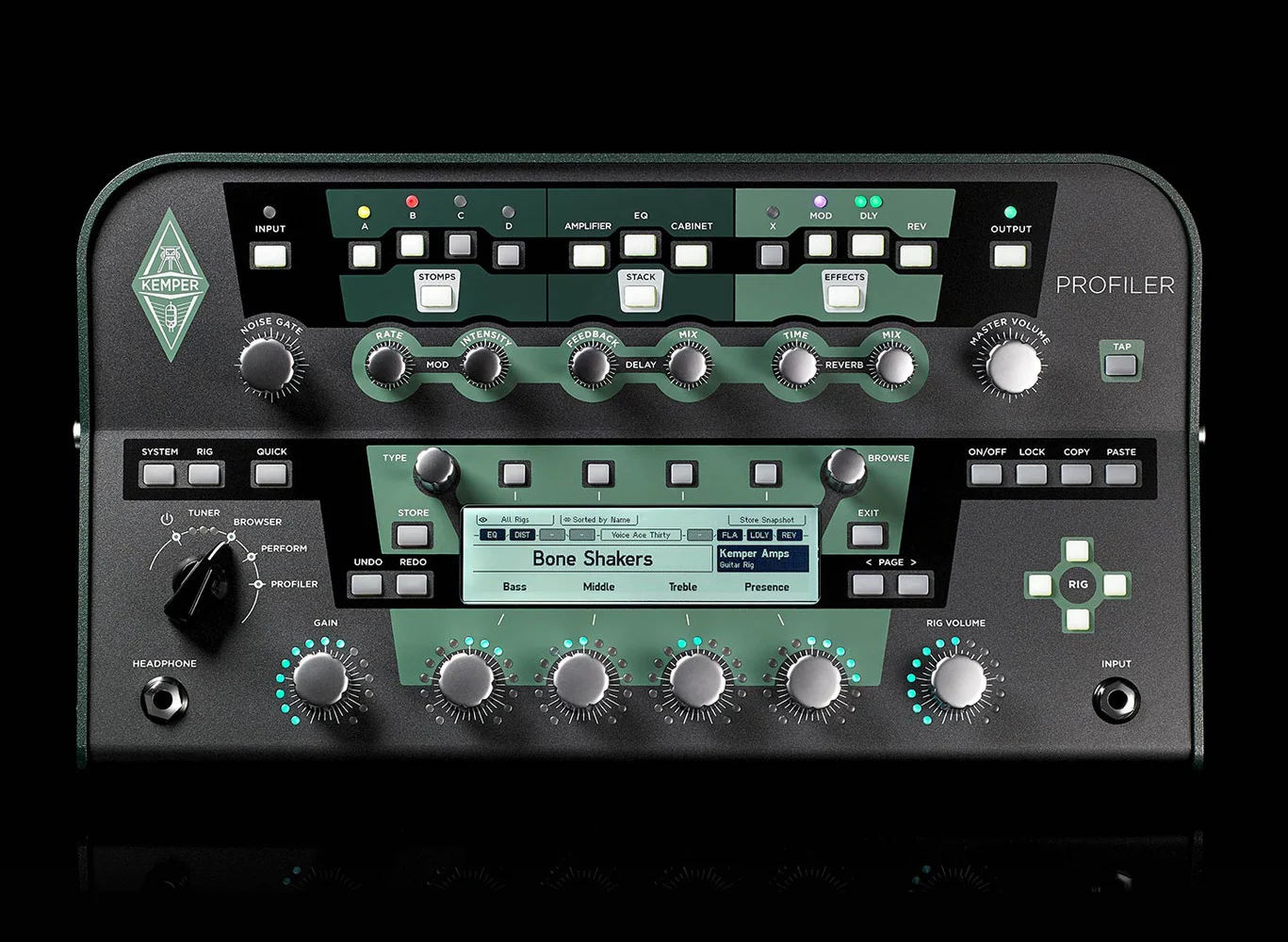
Kemper offers both powered models (PowerHead / PowerRack) and unpowered models.
This distinction is crucial, particularly when deciding whether you want to drive a standard guitar cabinet directly.
Powered Models (PowerHead / PowerRack)
- Includes a built-in 600W Class-D power amp, capable of driving a guitar cabinet directly.
- Keeps setups clean and simple without requiring an external power amp.
- Ideal for guitarists who want to push real speaker cabinets on stage.
- The physical cab tone may differ slightly from Kemper's direct line out due to power amp and speaker interaction.
Unpowered Models (Head / Rack / Stage / Player)
- Lack a power amp, requiring an external power amplifier to drive physical guitar cabinets.
- Designed primarily for direct connection to PA systems or FRFR (Full Range Flat Response) monitors.
- Uses the built-in cabinet simulation (CAB section) for direct recording or house PA routing.
- Outputs the raw profile directly without coloration from an internal power amp.
Driving a real cabinet through a power amp yields a more authentic, air-moving amp feel compared to running direct into full-range speakers.
However, because Kemper profiles are captured from miced amps, some players note that playing through a real cab still doesn't 100% recreate an unmic'd amp-in-the-room feel.
- Want real speaker cabinet feel on stage? → PowerHead / PowerRack
- Connecting directly to PA or FRFR speakers? → Head / Rack / Stage / Player
- Home studio, headphone practice, or silent recording focus? → Head / Rack / Stage / Player
- Splitting time between studio and live gigs with real cabs? → PowerHead / PowerRack
Effects Architecture & Sound Design Differences
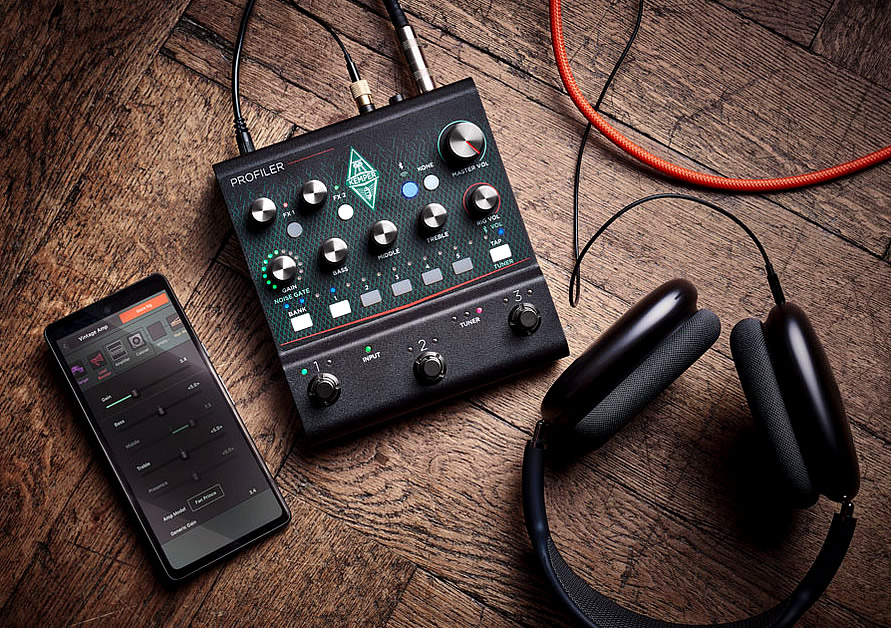
Kemper isn't just an amp profiler—it also houses a vast suite of studio-grade effects.
The Head, Rack, and Stage feature pro-level reverbs, delays, and modulation effects, giving many players enough internal processing that they can leave external pedals at home.
Effects Processing on Head / Rack / Stage
- Up to 8 simultaneous effect slots (4 pre-amp and 4 post-amp blocks).
- Loaded with delay, reverb, modulation, overdrive, compression, EQ, pitch-shifting, and more.
- Continuous firmware updates adding new effects over time.
- Performance Mode makes controlling complex live effect setups easy.
Effects Processing on Player
- Limited to 4 simultaneous effect slots (2 pre-amp and 2 post-amp).
- Delay and reverb are available, but modulation options and slot count are restricted.
- Designed to integrate with pedalboards, making it less ideal as a standalone all-in-one unit.
For instance, if you want to run a signal chain like the one below, the Player won't have enough available slots:
Example: Typical Live Signal Chain
✅ Head / Rack / Stage (Up to 8 effects)
Comp → Overdrive → Chorus → Delay → Reverb → EQ → Pitch Shift → Modulation
❌ Player (Up to 4 effects)
Comp → Overdrive → Delay → Reverb (Cannot run 5 or more effects simultaneously)
With fewer available effect slots on the Player, external pedals are almost mandatory if you rely on extensive processing.
If you prefer an all-in-one setup without external stomps, the Head, Rack, or Stage is the better choice.
Kemper Lineup Comparison: Controls & User Interface
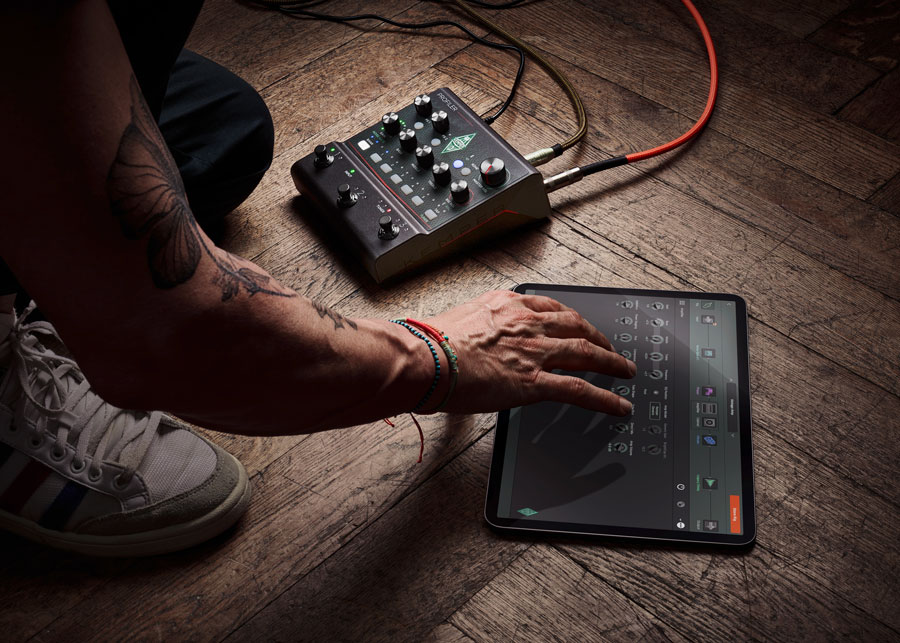
Because each form factor is unique, the user interface and physical workflow differ across models. While the underlying tone-editing system is the same, knob layouts and screen setups vary significantly.
Head & Rack Interface: Intuitive Amp-Style Layout
The Head and Rack feature a traditional front-panel layout complete with dedicated control knobs and an integrated display screen, making tweakability feel very natural for amp users.
Basic Controls & Workflow
- Direct physical adjustment for Gain, Bass, Middle, Treble, and Presence knobs.
- Dedicated buttons and rotary dials for turning effects on/off and editing parameters.
- Multilingual menus and a clear display make the digital learning curve manageable for newcomers.
Live Performance Usability
- Requires a separate dedicated footswitch (Profiler Remote).
- With the Remote connected, switching rigs in Performance Mode or toggling effects on stage is seamless.
- Without the Remote, changing presets directly on the unit during a show is tricky, making front-panel control best suited for home, studio, or rehearsal settings.
Stage Interface: Floorboard Profiler Built for Live Gigs
The Stage embeds footswitches and a large display directly into a floor unit, allowing full control right at your feet. It is built specifically for gigging musicians who need fast, on-stage access.
On-Stage Visibility & Foot Controls
- Multiple footswitches allow instant rig changes and seamless effect toggling.
- The large screen and bright LED indicators ensure clear visibility on dark stages.
- Includes a built-in looper function that can be easily operated via foot controls.
Studio & Rehearsal Editing
- Direct knob access to Gain, Bass, Middle, Treble, and Presence EQ settings.
- Dedicated buttons and dials for quick parameter tweaking and effect switching.
- Easy to navigate, even for players new to digital amp modelers.
I/O & Connectivity
- Includes nearly all the connectivity of the Head and Rack models.
- Features two stereo effect loops, allowing effortless integration of external stereo pedals (such as Strymon delays/reverbs).
- Equipped with standard XLR direct outs, headphone outs, and digital I/O.
Player Interface: Ultra-Compact & Streamlined
/Image
Basic Controls & Layout
- Only 5 physical knobs (Gain, Bass, Middle, Treble, Rig Volume).
- No LCD display (uses multi-color LEDs for status indicators).
- 3 onboard footswitches assignable to bank switching, rig switching, or effect toggles.
Beginner-Friendly Experience
- No deep menu diving—just plug in and play.
- Many users note that while the simple layout is surprising at first, it takes no time to master.
- Great option for players who want to avoid complex software menus on unit.
Deep Editing via App Required
- Effect tweaks and preset management require the "Rig Manager" app on PC, Mac, or mobile devices.
- USB and Bluetooth support allow quick mobile app edits.
- Essential I/O ports only (Guitar In, XLR Out, Line Out, Headphone, 1x Expression/Footswitch jack).
- No direct standard MIDI DIN input (requires USB-MIDI host capability).
Compact Yet Gig-Ready
- Perfect for headphone practice, home recording, and light live setups.
- Supports mono and stereo outputs, easily handling standard gig requirements.
- Ideal for players who want authentic Kemper tone in an ultra-portable footprint.
Kemper Lineup Comparison: Essential Accessories
Kemper Profiler Remote Footswitch
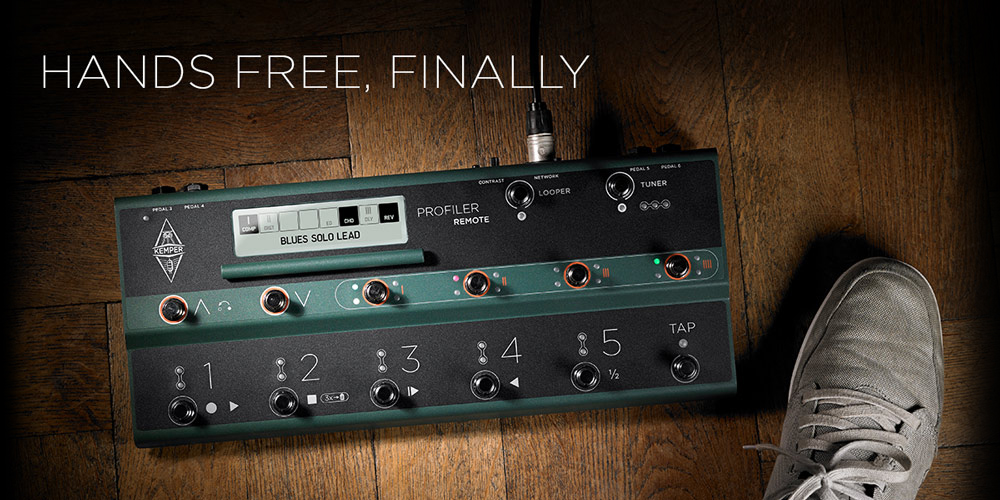
- Official Kemper Foot Controller
Seamlessly integrates with Head, Rack, and Stage units. - 5 Performance Switches
Control Rig switching, effect toggles, and Morphing features in real time. - Onboard Looper
Offers up to 30 seconds of loop recording. - 4 Expression Pedal Jacks
Connect external volume or wah pedals. - PoE (Power over Ethernet) Support
Bus-powered via a single Ethernet cable with no dedicated wall wart required.
When paired with a Kemper Head or Rack, the Profiler Remote dramatically enhances live control. It lets you switch presets seamlessly, toggle individual effects, trigger Morphing parameters, and run the looper hands-free.
The Morphing feature lets you adjust gain, EQ settings, or effect mix levels seamlessly in real time. For example, you can transition smoothly from a clean tone into heavier saturation or dial in a mid-boost for lead solos with a single switch press.
Connecting via a single PoE Ethernet cable means no extra power supply cable is needed on stage. This keeps cabling minimal and speeds up stage setup.
If you plan to gig or rehearse with a Kemper Head or Rack, adding the Profiler Remote grants complete hands-free control and significantly expands your performance flexibility.

KABINET NEO SPEAKER: Cabinet
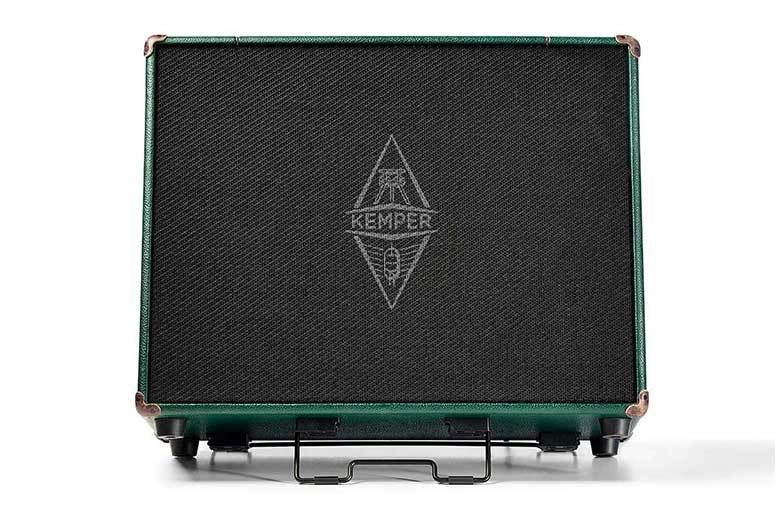
- Loaded with a Kemper Kone Speaker
Includes 19 built-in speaker imprints to deliver a wide variety of tonal characters. - Ultra-Lightweight Design (Approx. 5.5 kg / 12.1 lbs)
Easy to transport, making it ideal for rehearsals and live performances. - Usable as a Monitor Speaker
Allows flexible setups when combined with a PA system or the Kemper's Monitor Output. - Pairs Perfectly with Kemper PowerHead / PowerRack
Can be powered directly using the 600W Class-D power amp built into the PowerHead or PowerRack. - Durable Cabinet Construction
Built tough to withstand heavy stage use.
The Kemper KABINET NEO SPEAKER is a dedicated speaker cabinet designed for use with the Kemper Profiling Amplifier to deliver a more realistic amp cabinet feel. Featuring Kemper Kone technology, it can simulate 19 different speaker imprints. This allows a single cabinet to cover a wide range of tones, from vintage flavors like a Celestion Greenback to modern high-gain speakers.
Unlike standard full-range speakers, the KABINET NEO reproduces the natural resonance and response of a real guitar amp cab. It is a great match for players who feel uncomfortable with the overly flat or sterile sound typical of digital modelers. It mitigates the clinical monitor feel of running a Kemper line out through a standard FRFR (Full-Range Flat-Response) speaker, giving you the natural response of playing through a real amp cabinet.
Thanks to its ultra-lightweight design (approx. 5.5 kg / 12.1 lbs), it is extremely easy to carry and works great for rehearsals and smaller gigs. By leveraging the built-in 600W power amp in a Kemper PowerHead or PowerRack, you can drive it directly without an external power amplifier for a clean, simple setup.
For players who love their Kemper tone but want a more authentic amp-in-the-room sound, the KABINET NEO SPEAKER is an ideal choice.

Powered cab options are also available
Can also be used with unpowered Kemper Head / Rack units.

Kemper Profiler Player vs. Profiler Head | Reviews & Feedback
Profiler Head
| Positive Feedback | Negative Feedback |
|---|---|
| Versatile for both studio and live work. The profiling feature is fantastic for capturing your own amps. The powered version (PowerHead) lets you drive a guitar cab directly, offering the convenience of a traditional amp head. Kemper sound is remarkably realistic. It holds up seamlessly against real tube amps in both live and studio settings. | I wish there were a smaller model for rehearsals and jam sessions. On the expensive side. Excellent performance, but a bigger investment compared to other multi-effects units. The unpowered version (standard HEAD) requires a separate power amp. If you plan to play through a cab, go with the PowerHead. |
Profiler RACK
| Positive Feedback | Negative Feedback |
|---|---|
| Rackmountable, making it ideal as studio gear. It makes complete sense why you see it so often in pro setups. It has the same features as the Head, and housing it in a rack case is great. Easy to transport on tour. Kemper's built-in effects are extensive, so you can build great tones without external pedals. | Because it's meant to be housed in a rack case, using it on its own is a bit inconvenient. Another model might be better for home use. The unpowered version (without PowerRack) requires additional gear to drive a speaker cabinet. Since it lacks a USB audio interface, recording directly into a computer requires a separate audio interface. |
Profiler STAGE
| Positive feedback | Negative feedback |
|---|---|
| Built-in footswitches make it ideal for live performance. It's great to have everything in one unit without buying a separate foot controller. Packed with all of Kemper's features and offers intuitive operation. Works great both on stage and in the studio. Easy to dial in sounds, with smooth preset switching and high-quality effects. | As a floor unit, it's not well-suited for desktop use. The Head or Rack versions are easier for home recording. It doesn't include a power amp, so you need an external power amp to run it into a cabinet. It's pretty large and a bit cumbersome to transport. For smaller gigs, the Player might be easier. |
Profiler PLAYER
| Pros | Cons |
|---|---|
| Getting genuine Kemper sound in a footprint this compact is impressive. Easy to carry and ideal for jams or rehearsals. The affordable price makes it great for anyone wanting to try out Kemper. Convenient for home recording too. Simple controls make it beginner-friendly. Mobile app integration is a great bonus. | It lacks onboard profiling, so you can't capture your own amp. It's meant for players who are content with existing profiles. With few footswitches, switching presets during live performances takes some planning. Fewer onboard effects mean less flexibility for delay and modulation, assuming you'll pair it with a pedalboard. |
Kemper Model Comparison: Best Picks for Every Use Case
Home Recording
If your main focus is recording and practice at home, the Rack or Player is recommended.
The Rack integrates easily with audio interfaces and other rack equipment, making it ideal for a serious home studio setup.
It comes at a higher price tag due to its extensive feature set, but it is well worth considering if you plan to go pro in the future.
On the other hand, if you want to start home recording on a budget, the Player is a strong contender. Its compact footprint fits easily on a desk, and its streamlined controls let you focus on recording.
The Player is also perfect for entry-level use if "you want to experience the Kemper sound with minimal investment."
Since neither model includes an internal power amp, you will run them through studio monitors or headphones at home.
Live Performance
If band rehearsals and stage performance are your primary goals, choose the Stage or PowerHead (the Head version with a built-in power amp).
The Stage comes in a floorboard format for easy transport and setup, offering all-in-one foot control ideal for live shows.
For guitarists who value mobility from rehearsals to gigging or want to integrate it into a pedalboard, the Stage is the best fit.
On the other hand, if you want to drive a physical guitar cabinet on stage, the PowerHead is extremely convenient.
It connects directly to a cab just like a traditional tube amp head, allowing you to feel the sound pressure behind you while keeping your setup feeling natural.
While foot switching requires the dedicated Remote, it offers the peace of mind of a traditional "amp + cab + footswitch" rig.
The rack-mounted PowerRack offers identical performance. If you rack-mount your gear and have road crew support, a PowerRack plus foot controller configuration is another solid option.
Professional Applications
For commercial recording studios or touring rigs, the Rack or Head (PowerHead) are standard choices.
As mentioned earlier, rack models integrate smoothly into larger gear setups, making them a top choice for pros due to their durability and easy management.
Some touring rigs even mount two Kemper units for full redundancy, demonstrating how critical reliability is in pro environments.
Additionally, some guitarists bring the Head model into recording studios. Because the head unit functions like a traditional amp head, communicating with engineers is straightforward (you can place it on a cab, mic it up to create a profile, and take a direct line-out simultaneously).
For pro applications, choosing a Rack or Head (power amp version) and backing it up with redundant units or a UPS power supply as needed is recommended.
Summary: Which Kemper Model Should You Choose?
- HEAD / Rack
All-in-one capabilities plus cab-driving power (power versions).
Covers everything from studio recording to pro tour rigs. - STAGE
Integrated floorboard format built for live performance.
Easy setup and seamless foot control.
(Requires an external power amp to drive a cab). - PLAYER
The smallest, most affordable model.
Uncompromised amp tone packed into essential controls.
Ideal for beginners or ultra-portable setups
(*Cannot create profiles).
Finally, let's recap the key takeaways.
All four Kemper models (HEAD, Rack, Stage, Player) share the core tone and sound quality, but their form factors and feature sets cater to different use cases. If you want to seamlessly bridge studio recording and live gigs, the head format HEAD (even more versatile with a power amp) or the rack-mount Rack are dependable picks.
If live mobility comes first, the floor-based STAGE provides complete foot control in a single footprint. If budget or simplicity is your priority, the compact PLAYER is an excellent gateway into the Kemper ecosystem.
"Realistic amp tone and unmatched versatility regardless of which model you pick" is what makes Kemper so compelling. Choosing the model that best matches your playing environment will help you get the most out of its performance.
Use this guide to help select the ideal Kemper model for your rig.
Loaded with legendary amps from around the world, your Kemper will take your guitar tone to the next level.