日本語English
Nano Cortex vs. Quad Cortex: In-Depth Comparison | Which Neural DSP Processor Should You Choose?
XTONES is a participant in affiliate programs including Amazon Associates and Reverb. We may earn a commission from qualifying purchases made through links on this page, at no extra cost to you.
Contents (21)
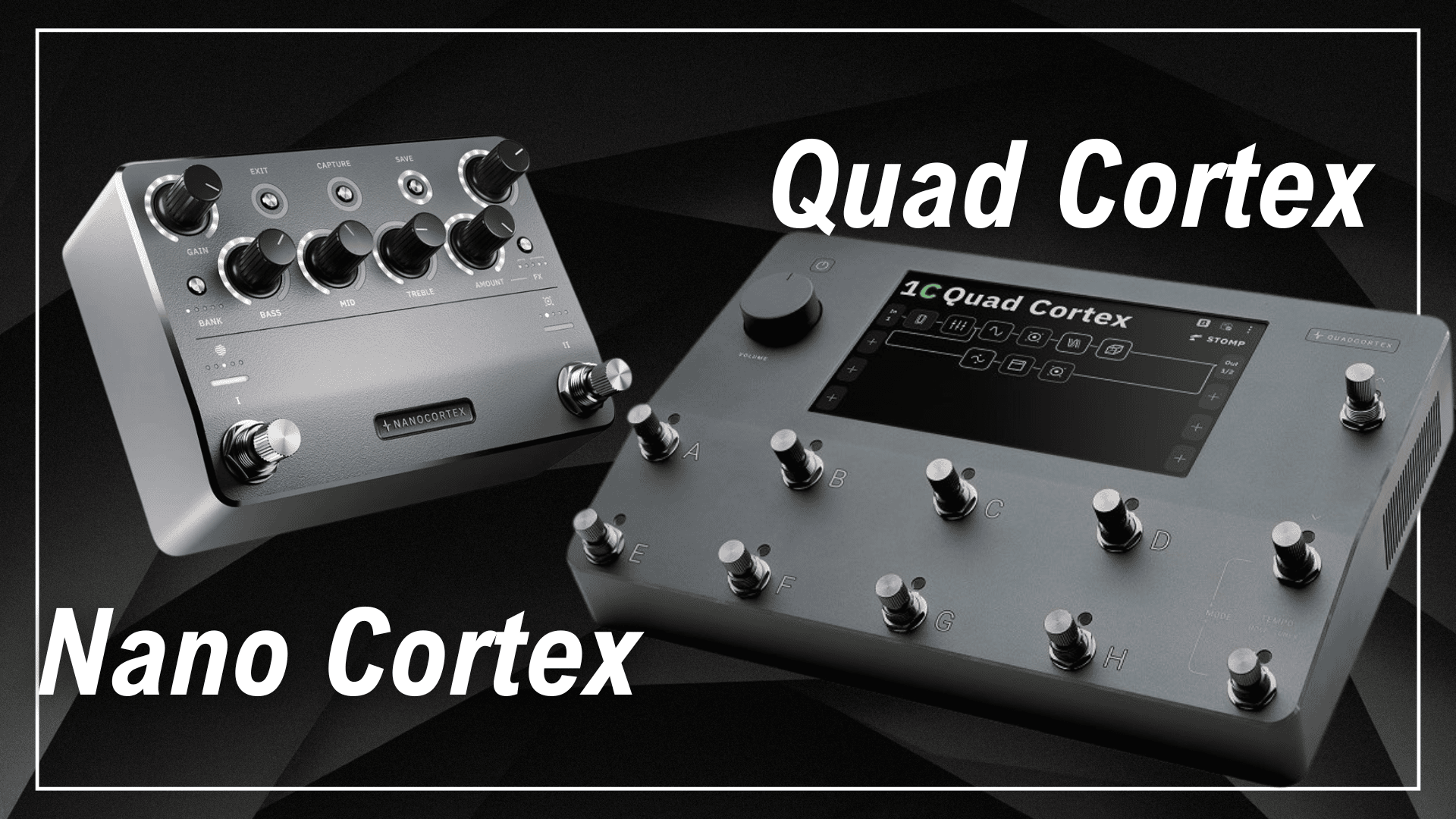
The Nano Cortex, Neural DSP's highly anticipated compact processor, has officially arrived.
Many players are likely wondering how it differs from its big brother, the Quad Cortex.
While both processors feature Neural Capture for top-tier tone quality, they differ significantly in size and workflow.
- "I'm not sure which one fits my needs."
- "I want to understand the exact differences before buying."
If you find yourself asking these questions, this article provides an in-depth comparison between the Nano Cortex and Quad Cortex.
We cover tone quality, size, workflow, capture performance, usability for live gigs and home recording, as well as price.
With real user feedback alongside pros and cons, this guide will help you determine which unit is right for you.
Nano Cortex vs Quad Cortex: Overview Comparison
Spec Comparison Table
 | 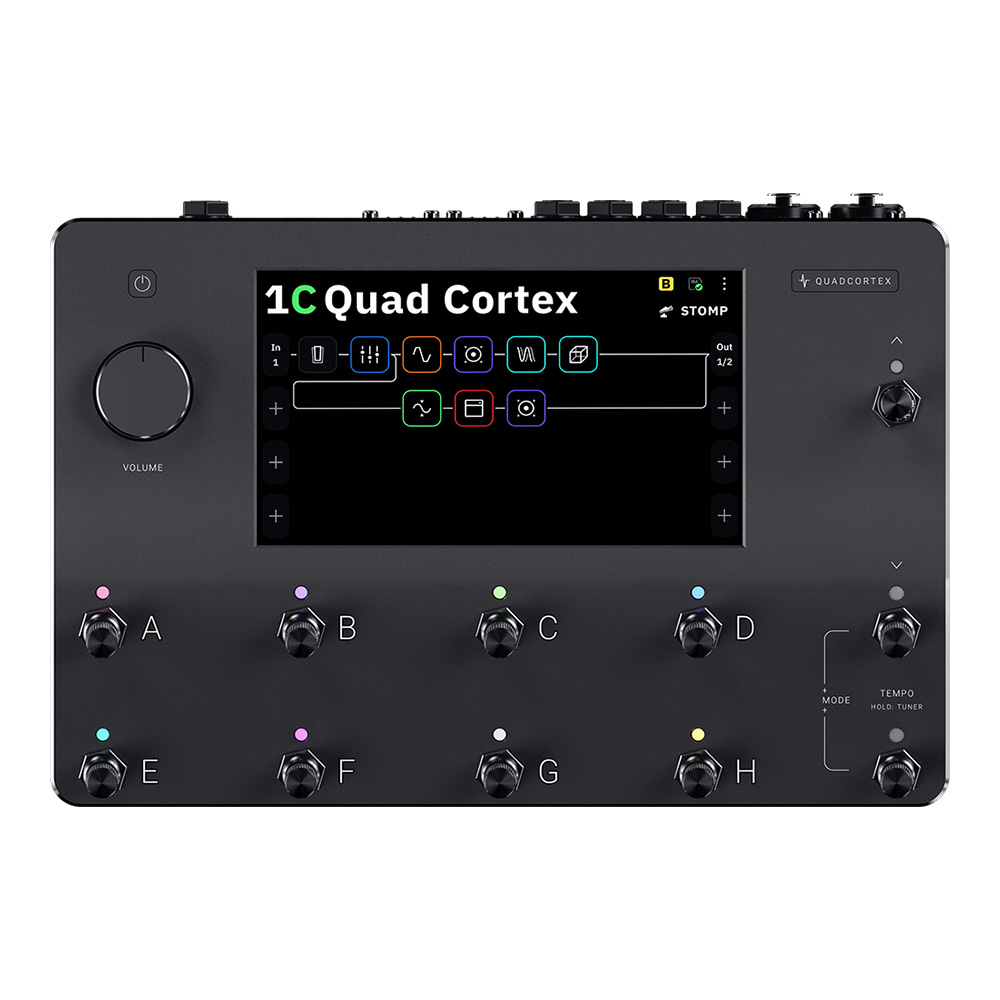 | |
|---|---|---|
| Model | Nano Cortex | Quad Cortex |
| Dimensions | Approx. 14.4 × 10.3 × 6.2 cm | Approx. 29 × 19 × 5 cm |
| Weight | Approx. 620 g | Approx. 1.95 kg |
| Controls | Knobs + buttons Mobile app integration | Touchscreen 11 footswitches |
| Neural Capture | ||
| USB Audio Interface | 4-in / 3-out | 8-in / 8-out |
| Price Range | Approx. $1,800 | Approx. $550 |
Approx. US street prices are rounded retailer prices as of November 6, 2026, before sales tax. Not a live quote.
What Is the Quad Cortex? (Flagship Model)
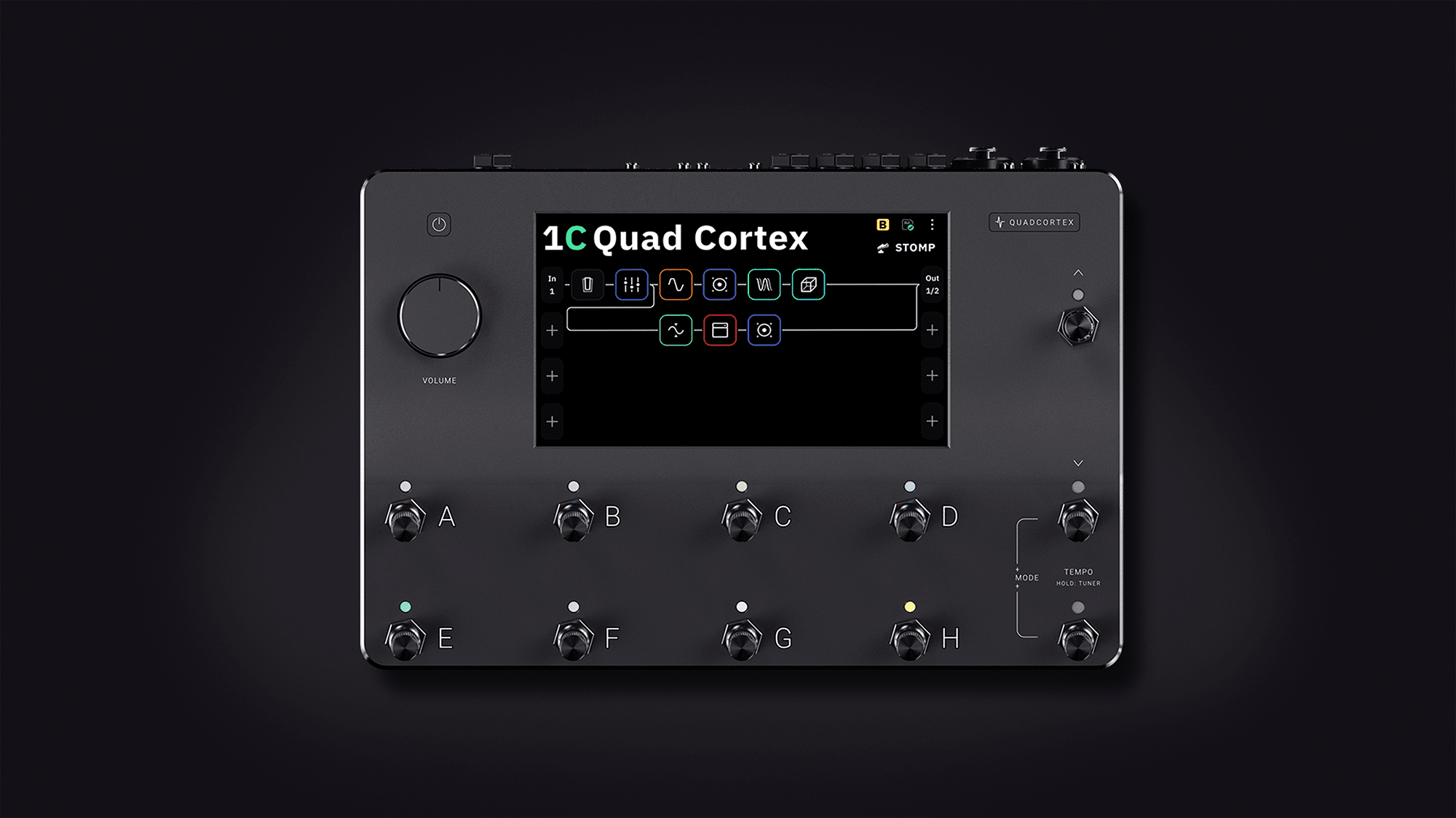
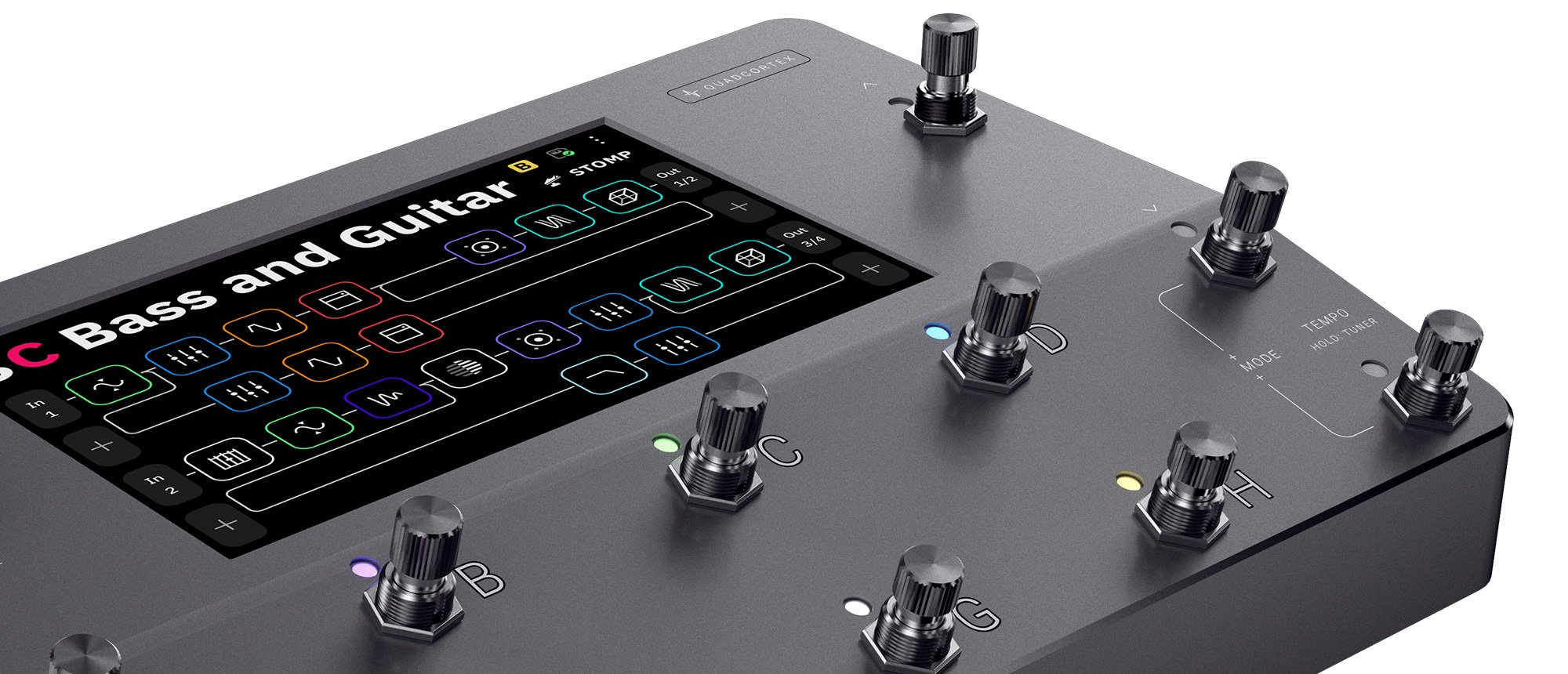
- 7-inch touchscreen for intuitive workflow
- Over 90 amp models and 100+ built-in effects
- Neural Capture lets you capture and replicate your own amps and pedals
- 8-in / 8-out USB audio interface for home recording
- 11 footswitches make it a standalone unit for live gigs
- Street price: around $1,800 (before tax)
A floorboard multi-processor released by Neural DSP in 2021.
With exceptional tone quality and unmatched versatility, it is relied on by many professional musicians.

What Is the Nano Cortex? (Compact Model)
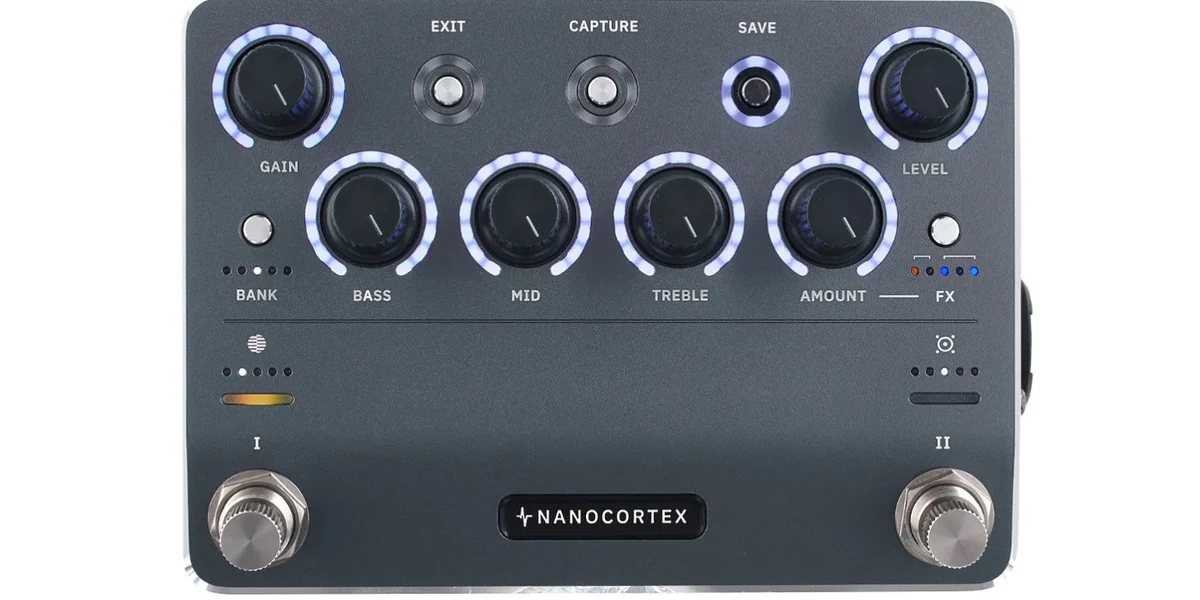
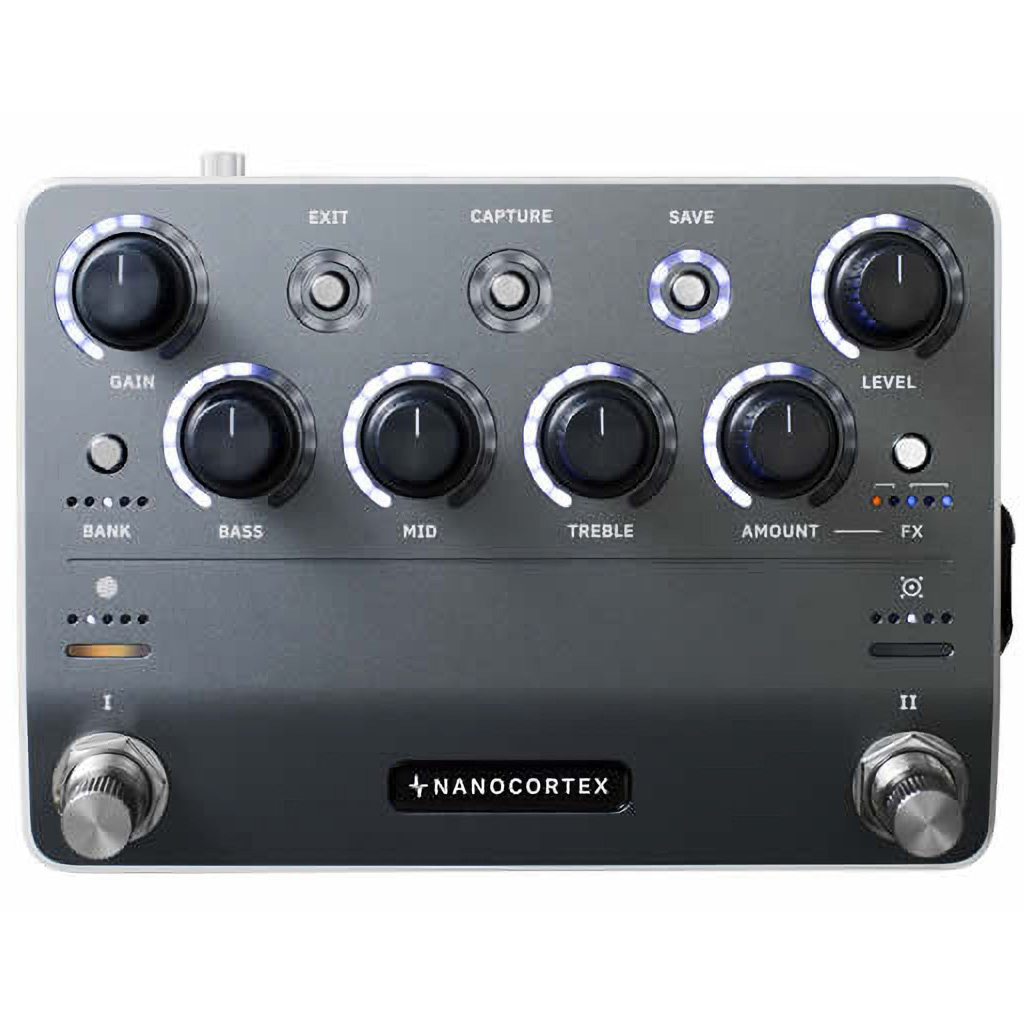
- Features the same Neural Capture engine as the Quad Cortex
- Compact footprint measuring just 14.4 × 10.3 cm and weighing 620 g
- Minimal physical controls; edited via Bluetooth mobile app
- Capture playback plus 5 built-in effects—ideal for straightforward tone shaping
- 4-in / 3-out USB audio interface, great for home recording
- Street price: around $550 (before tax)
Released in 2024, this model serves as the "little brother" to the Quad Cortex.
By focusing strictly on essential features, it delivers incredible tone quality in a palm-sized enclosure.

Nano Cortex vs Quad Cortex: Comparing Features & Functionality
Differences in Size, Portability, and Footprint
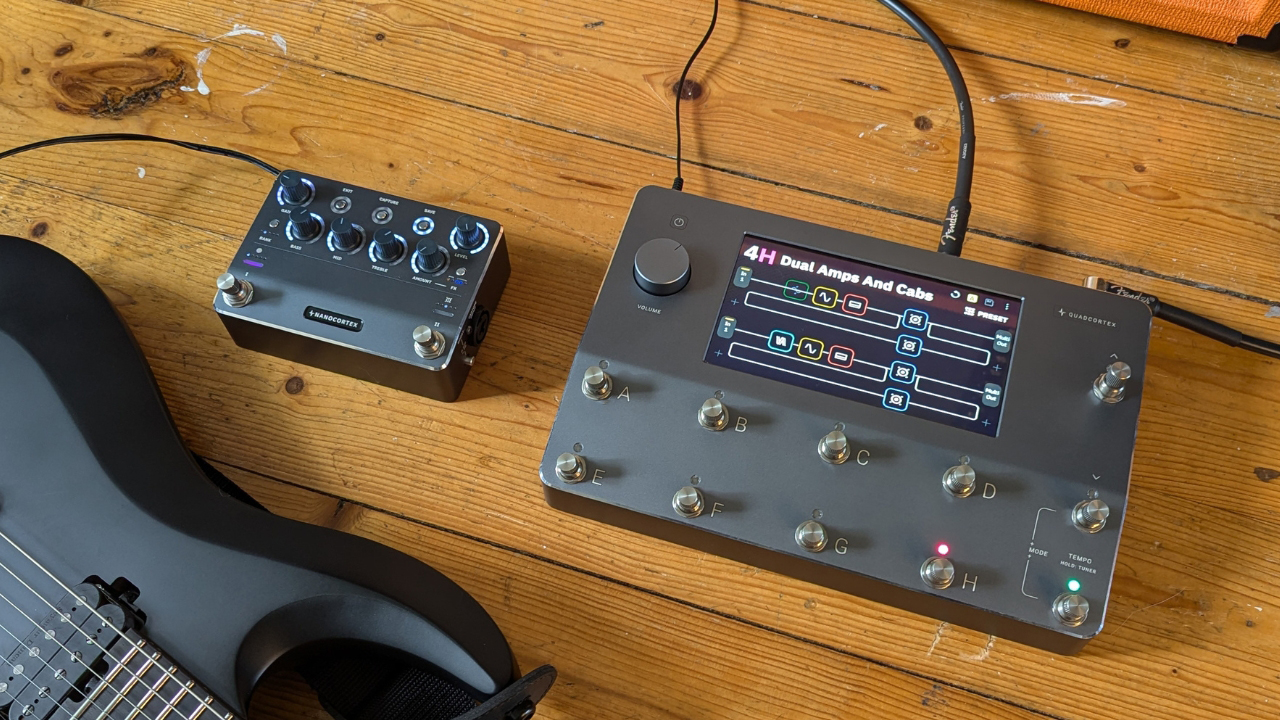
| Nano Cortex | Quad Cortex |
|---|---|
| Approx. 14.4 × 10.3 × 6.2 cm | Approx. 29 × 19 × 5 cm |
| Approx. 620 g | Approx. 1.95 kg |
Quad Cortex: The All-in-One Floorboard Built to Stay Put
- Commands presence as the centerpiece of your pedalboard
- Taller profile designed primarily for floor use
- Rugged chassis built to handle touring and live gigs
- Screen angle and switch layout designed specifically for easy on-stage operation
Nano Cortex: An Ultra-Lightweight Model Built to Go Anywhere
- Fits easily into a gig bag pocket or small backpack
- Great for studio, rehearsal, hotels, and home practice
- Ideal for desktop use (USB bus powered)
- Makes an excellent emergency backup rig for jam sessions or sit-in gigs
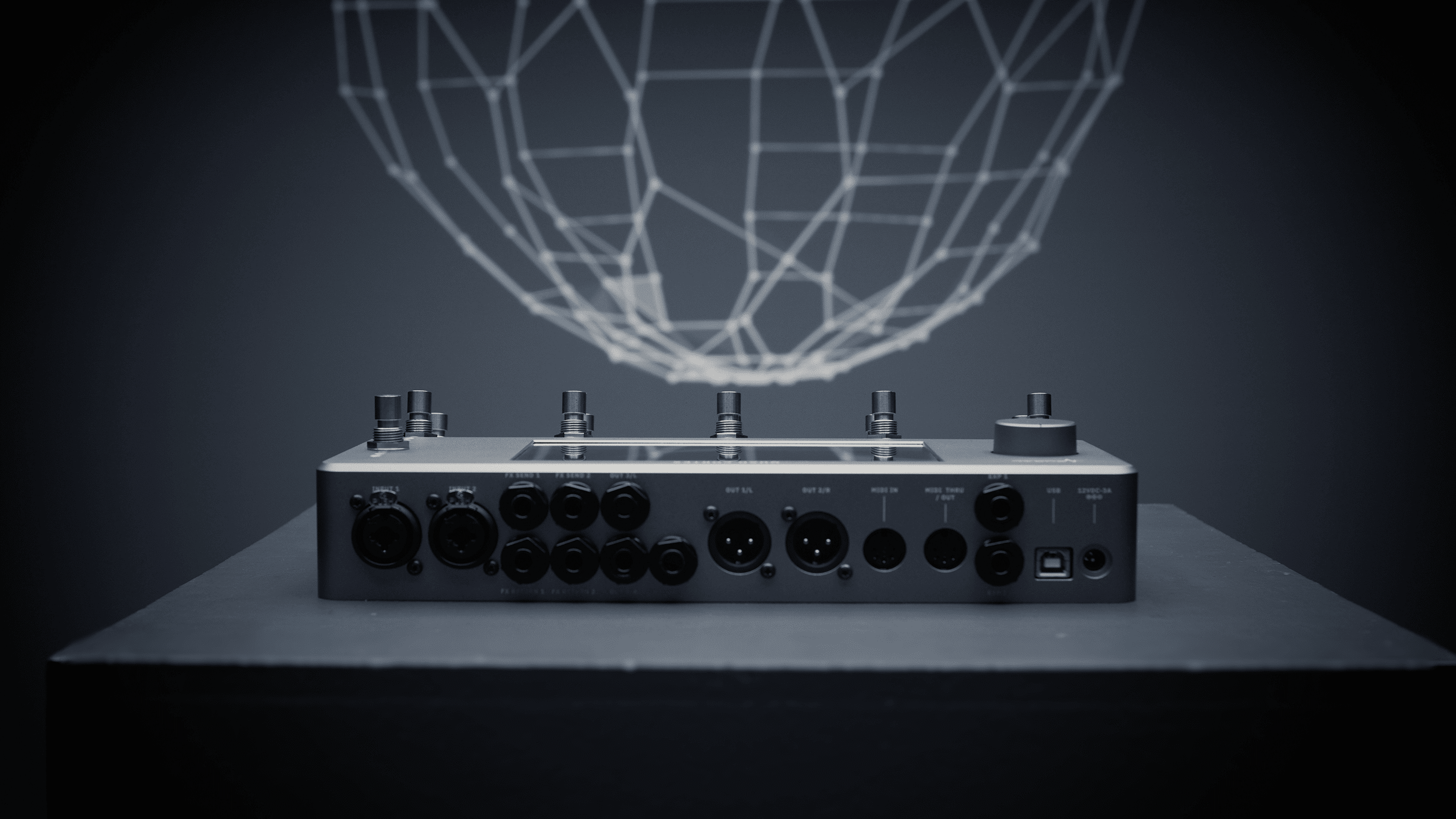
Comparing I/O & Connectivity
| Nano Cortex | Quad Cortex | |
|---|---|---|
| Instrument Input | 1 (TS) | 2 (XLR/TRS Combo) |
| Dedicated Capture Input | 1 (XLR/TS Combo) | None (Shared) |
| Outputs | 2x TRS (Stereo) | 2x XLR + 2x TRS (4 Channels total) |
| Effects Loops | None | 2 Loops (Send/Return) |
| Headphone Out | 3.5 mm Mini Jack | 1/4" Jack |
| MIDI Ports | TRS IN (Doubles as EXP) | IN / OUT / THRU (DIN) |
| USB Port | Type-C (4-in / 3-out + Power) | Type-B (8-in / 8-out) |
| Phantom Power | Yes (Supported on input) | No (Requires external preamp) |
Quad Cortex: Maximum Connectivity
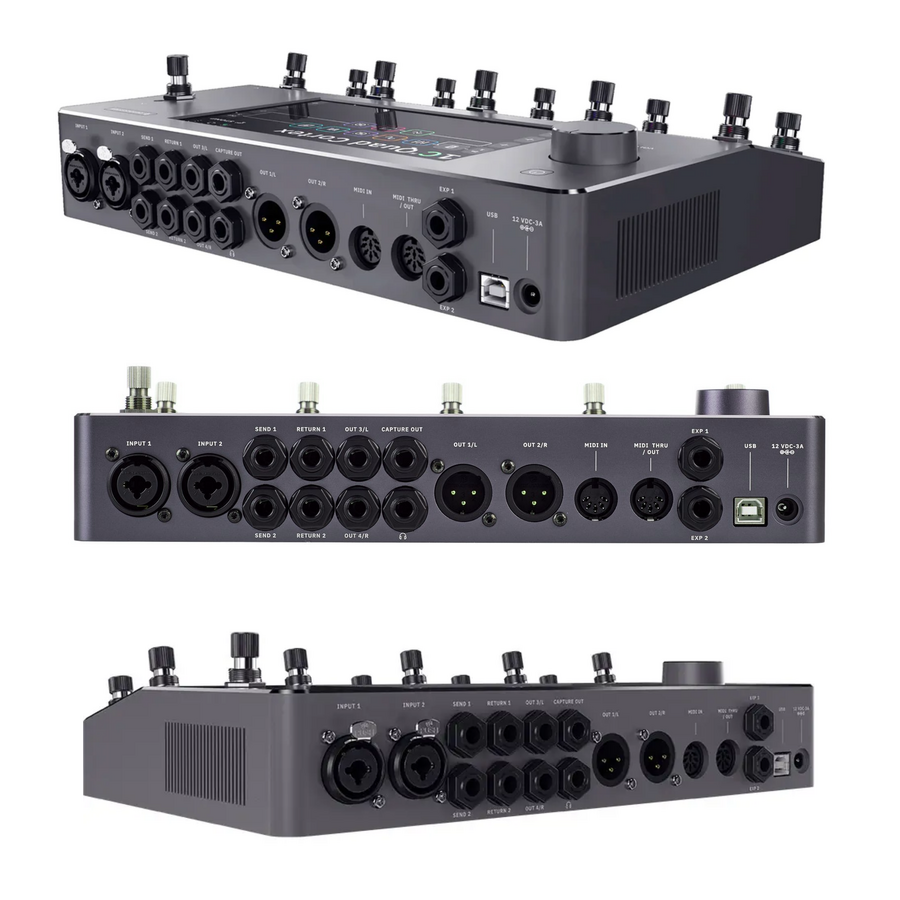
- Dual stereo outputs (TRS + XLR) easily handle direct connections to live PAs
- Two FX loops enable 4-cable method setup and seamless integration of external pedals
- Phantom-powered XLR inputs accept direct microphone connections for captures
- 8-in / 8-out USB audio delivers professional DAW integration for studio recording
- Full MIDI implementation via standard DIN connectors offers maximum expandability
Nano Cortex: Streamlined Minimalist Design
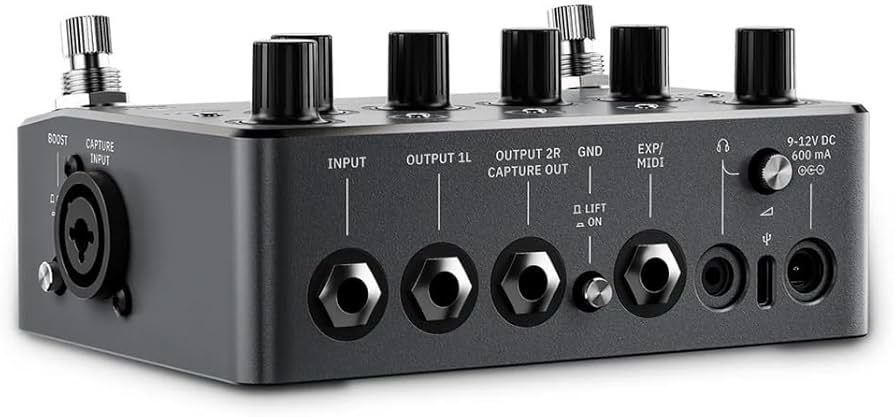
- Single instrument input paired with a dedicated capture input
- Balanced TRS stereo outputs connect directly to a PA
- Can be powered via USB-C, eliminating the power adapter in some setups
- Dedicated headphone jack makes home practice and quick tone checks convenient
- MIDI uses a single TRS jack—compact, though it requires TRS-compatible MIDI routing
Comparing Controls & User Interface
| Nano Cortex | Quad Cortex | |
|---|---|---|
| Display | None (LED indicators only) | 7-inch Touchscreen |
| Physical Knobs & Buttons | 5 parameter knobs 5 small buttons | 11 rotary footswitches (act as knobs) Volume knob, etc. |
| Mobile App Dependency | Required (Bluetooth app control) | Not required (Standalone operation) |
| Editor Environment | Cortex Cloud app (iOS/Android) required | Access all features via touchscreen PC editor available |
| Visibility & Navigation | LED color and light patterns guide navigation | Very high (Full-color UI, intuitive layout) |
Quad Cortex Controls: Completely Standalone
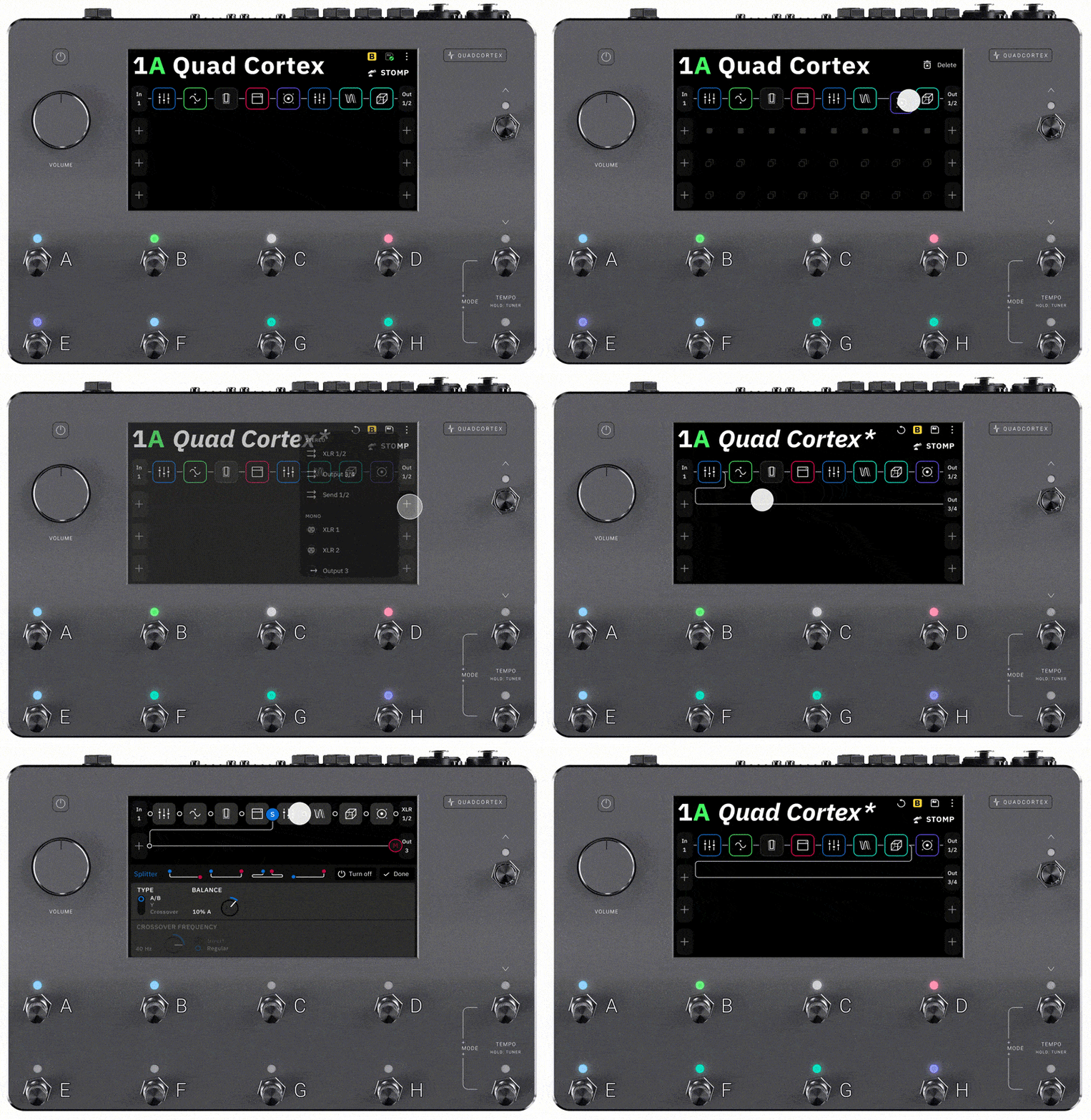
- 7-inch touchscreen display allows smartphone-like editing
- Footswitches double as rotary knobs for intuitive physical parameter adjustment
- Full standalone operation without relying on a mobile device on stage
- Make quick tweaks and routing changes on the spot before a set
- Built-in Wi-Fi for direct cloud integration and firmware updates
Nano Cortex Controls: App-Centric Workflow
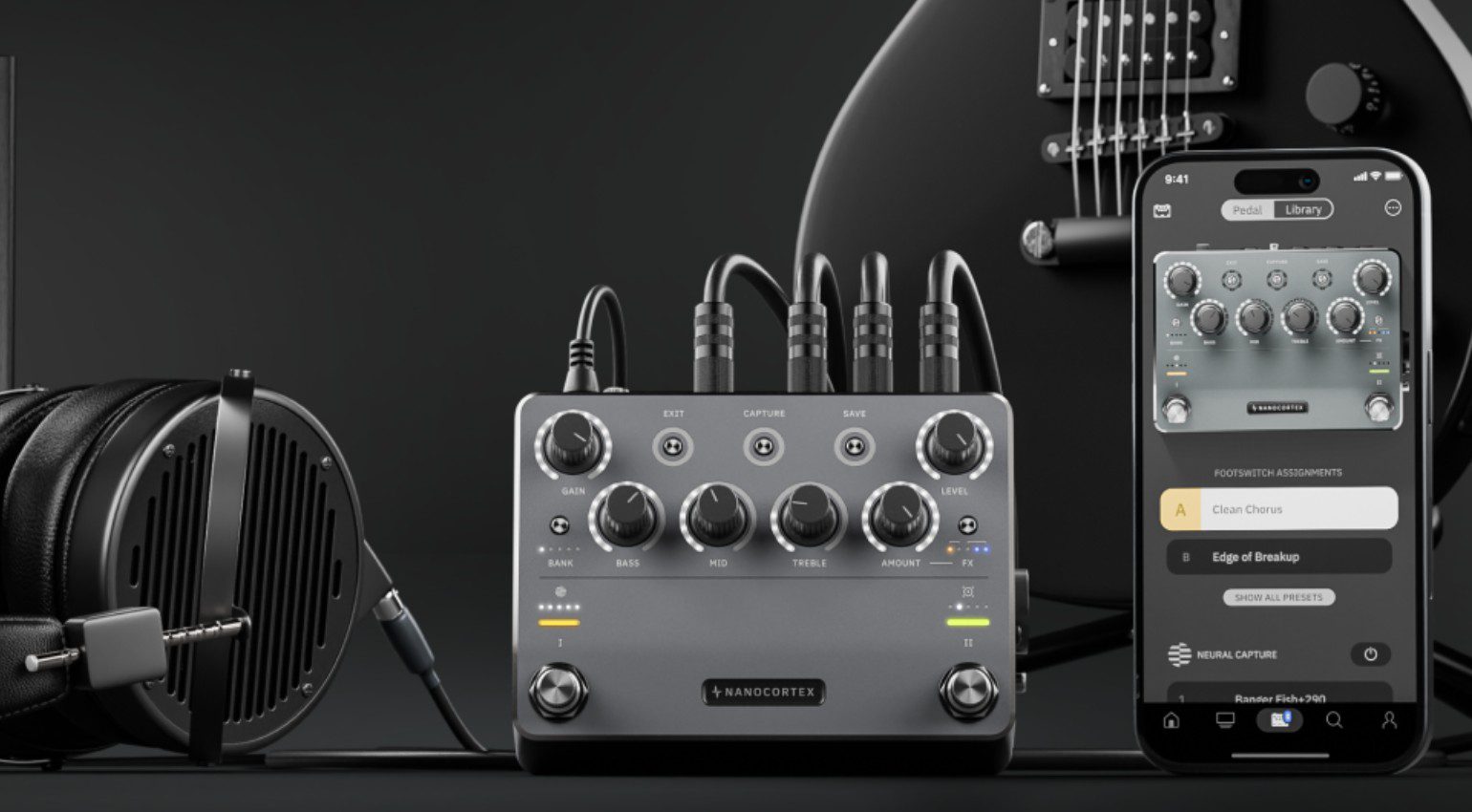
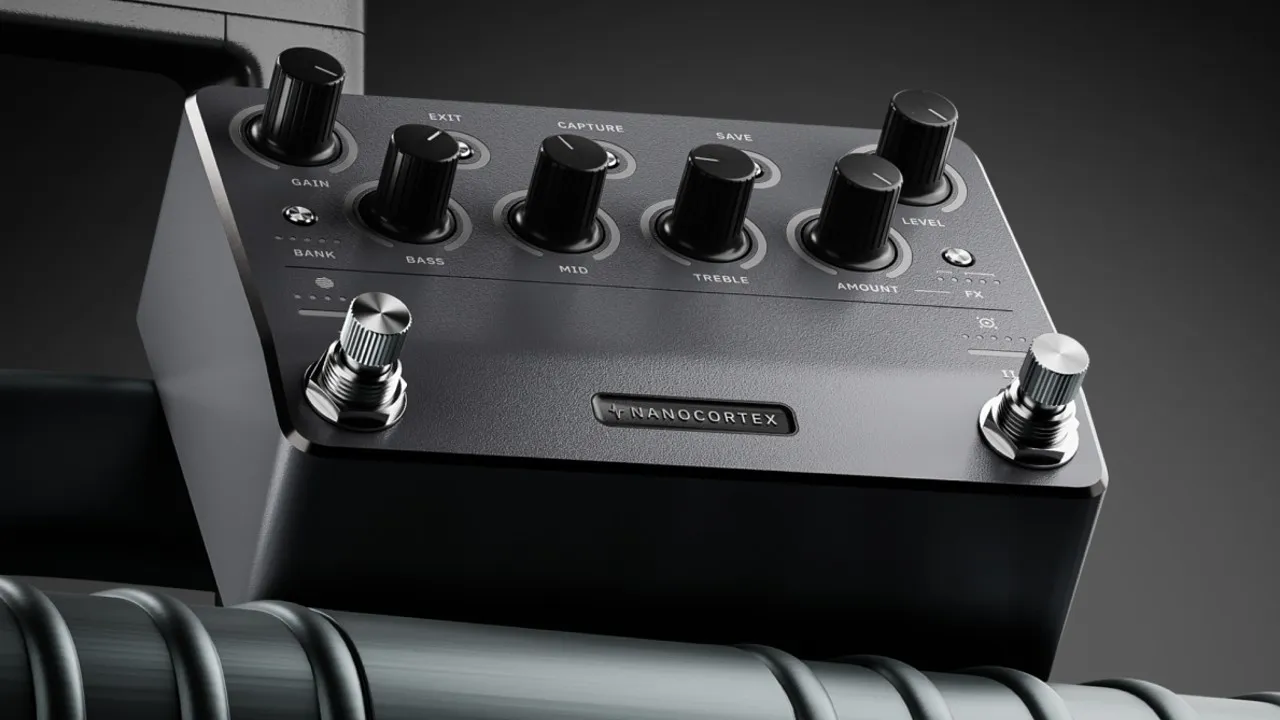
- Ultra-minimal setup with no display screen and just 5 knobs
- Onboard controls are limited to essential tweaks (master volume, basic EQ)...
- Deep editing and preset management rely on the mobile app
- Bluetooth connection is stable, but keep app dependency in mind during fast live changes
- Editing flexibility is limited if you cannot connect to the app
Which Controls Fit Your Workflow?
- Need direct hardware control on stage?
→ Quad Cortex - Prefer managing gear via smartphone/app?
→ Nano Cortex - Want a display to tweak settings during rehearsal?
→ Quad Cortex - Prefer playing through streamlined presets without fuss?
→ Nano Cortex
Amps, Cabinets, & Effects
| Nano Cortex | Quad Cortex | |
|---|---|---|
| Amp Models | Flexible (User-loaded captures) | Approx. 90 models (Growing via updates) |
| IRs (Cabinets) | Approx. 300 factory + up to 256 user IRs | Approx. 1,000 factory + up to 256 user IRs |
| Neural Captures | Up to 256 stored | Virtually unlimited |
| Effects | 5 slots (Fixed blocks) | 100+ effects |
| Simultaneous Effects | Up to 5 blocks (Fixed signal chain) | Multiple simultaneous (Flexible routing) |
The Quad Cortex comes packed with built-in models and complex routing capabilities.
The Nano Cortex takes a streamlined approach: you load only the specific captures and IRs you need.
Preset & Scene Switching Flexibility
| Feature | Nano Cortex | Quad Cortex |
|---|---|---|
| Preset Storage | Up to 64 presets (4 quick slots) | Virtually unlimited (Setlist & Bank organization) |
| Scenes / Snapshots | None (Use 4 presets instead) | Up to 8 per preset |
Quad Cortex: Built for Complex Live Switching
- Scene mode allows switching multiple effect states with a single footswitch
- Setlist management simplifies organizing patches for complex song structures
- 11 footswitches provide hands-free control on stage
Nano Cortex: Focused on Essential Preset Switching
- 4 Preset Mode provides instant switching between four key tones
- Dual footswitches handle key functions in a compact layout
- MIDI support allows expanded switching when paired with external controllers
USB Audio & Home Recording Performance
| Feature | Nano Cortex | Quad Cortex |
|---|---|---|
| USB Port | Type-C | Type-B |
| I/O Channels | 4-in / 3-out | 8-in / 8-out |
| Class Compliant | Yes | Yes |
| Bus Powered | Yes (5V / 1.5A required) | No |
Quad Cortex: Deep DAW Integration
- Supports multi-channel recording, reamping, and custom routing setups
- Low-latency performance with dedicated ASIO drivers
- Delivers studio-grade performance for home recording and professional tracking
Nano Cortex: Excellent Portable Audio Interface
- Handles DI recording, stereo output, and headphone practice in a single unit
- Functions as a high-quality compact audio interface
- Clean USB-C connection to computers and mobile devices like iPads
Nano Cortex vs Quad Cortex: Pros & Cons
Quad Cortex Overview
Pros
- All-in-One Performance
Combines amp modeling, effects, and an audio interface into a single standalone unit.
Covers virtually any rig setup without needing extra gear. - Sound Quality
Powered by Neural DSP's processing, delivering highly dynamic amp tones and premium effects.
Offers studio-grade audio quality ready for recording. - Powerful Neural Capture
Neural Capture lets you profile your own amps and drive pedals.
Captures are fully compatible with the Nano Cortex. - Intuitive Controls
7-inch touchscreen and rotary footswitches make editing complex rigs feel like using a smartphone. - Live Flexibility
Scene mode and 11 footswitches allow seamless patch changes and control.
Handles complex live sets completely hands-free. - Future-Proof & Expandable
Regular firmware updates add features and models, with growing support for Neural DSP plugins. - Proven Professional Reliability
Widely adopted by touring artists and working guitarists worldwide.
Cons
- High Price Tag
At around $1,800+, it represents a significant investment for casual players. - Feature Overload
Taking full advantage of all capabilities takes time.
Some players may find it more complex than their setup requires. - Fairly Large Footprint
Larger than the Nano Cortex, which may not suit players wanting an ultra-compact setup. - Early Hardware Reports (Now Addressed)
Early production runs had minor reports regarding switch hardware or USB stability, though later revisions addressed these issues.
For the Nano Cortex
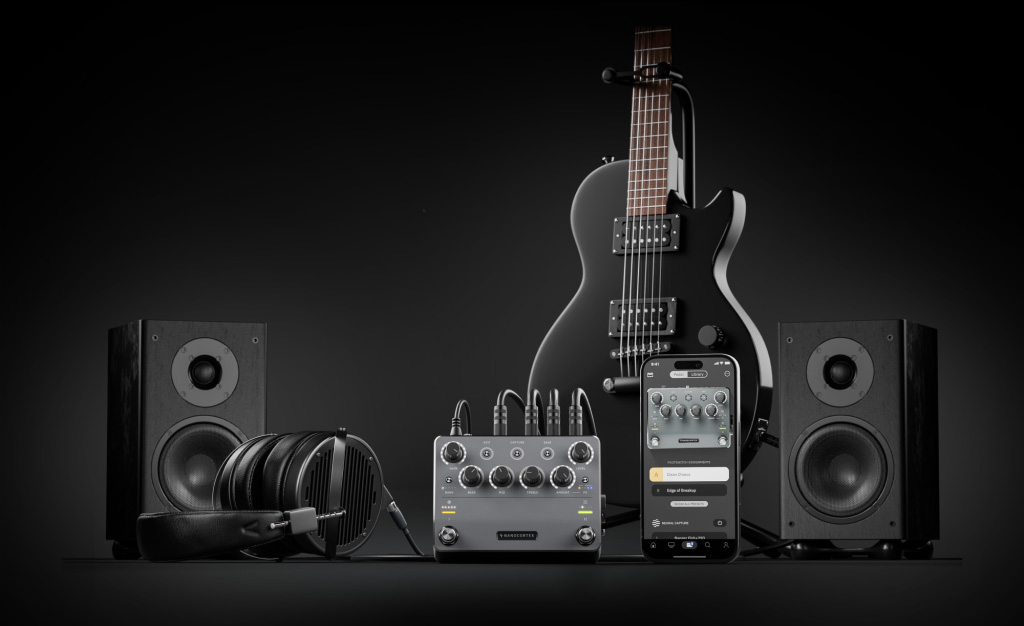
Pros
- Extremely compact and lightweight
Palm-sized footprint weighing around 600g.
Fits easily into a gig bag pocket. - Identical sound quality to the Quad Cortex
Captured tones feature the same processing quality as the flagship model.
Zero tone compromise despite the small size. - Simple, straightforward controls
Get high-end tone with minimal hassle.
Adjust basic settings and EQ directly with physical knobs. - Built-in USB audio interface
Ready for home recording right out of the box. - Plays great with external pedals
Easily replaces just the amp section on your existing pedalboard. - Relatively accessible price point (~$550–$600 range)
Priced competitively alongside units like the HX Stomp, offering strong performance for the price.
Cons
- Only 5 onboard effect slots
No built-in drive pedals or complex ambient effects.
Designed to be paired with external pedals. - Fixed signal chain
Routing is locked into Pre-FX → Capture → IR → Post-FX order. - Requires a smartphone (no display screen)
Detailed editing and preset management require the Cortex Cloud app. - Heavily reliant on Bluetooth
Firmware updates depend on Bluetooth, and pairing glitches have been reported. - Limited flexibility for live gigs
Features only two footswitches.
Primarily built for preset switching; detailed control requires external MIDI gear. - More limited than some players expect
Buying it expecting a fully featured multi-effects pedal can lead to disappointment.
Nano Cortex vs Quad Cortex | User Reviews & Buzz
For the Quad Cortex
Positive Feedback
- "The touchscreen UI is effortless. I can't go back to other multi-effects units."
Fast and intuitive editing makes on-the-fly tweaks easy during live gigs. - "Factory presets are gig-ready right out of the box."
Amp models in particular receive high praise for sounding ready for stage or studio use immediately. - "In recording mixes, you can't tell it apart from a real tube amp."
Top-tier DI captures and IR processing sit naturally in any mix without sounding artificial. - "Made amp-less live setups a reality."
Widely adopted by touring pros across theater productions, festivals, and backing bands. - "Frequent updates keep improving the platform."
Continuous feature additions and tone enhancements keep adding long-term value.
Negative Feedback
- "It's expensive. Really expensive."
The price tag (~$1,850) is a major investment for non-professional players. - "Too many features for simple needs."
Some intermediate players feel overwhelmed by advanced routing capabilities they don't use. - "Initial batch glitch reports."
A few early users reported hardware footswitch or USB connection detection bugs on launch. - "Mobile-first editing isn't for everyone."
Players who prefer performing deep edits on a PC found the early lack of a desktop app frustrating. - "Some prefer competitors like Kemper or Helix."
Depending on specific high-gain preferences, some players feel alternative platforms fit their sound better.
For the Nano Cortex
Positive Feedback
- "Sounds identical to the Quad. Zero compromise despite the tiny size."
Players confirm the core capture quality matches Neural DSP's flagship model. - "The footprint is unbeatable. Easily fits right in a gig bag pocket."
High praise from musicians looking for high portability and minimal rig weight. - "Great for home recording. USB audio performance is top-notch."
Delivers a compact solution for DI tracking, DAW integration, and silent practice. - "The ultimate amp replacement on a pedalboard."
Works exceptionally well with front-end drive pedals while handling amp capture and IR duties. - "Does only what you need, making it very easy to operate."
Appreciated by players who found the Quad Cortex overly complicated.
Negative Feedback
- "Too few onboard effects."
Limited to chorus, delay, and reverb—no onboard drive pedals or filter effects. - "Fixed signal path with no routing flexibility."
Locked into the Pre-FX → Capture → IR → Post-FX arrangement. - "Relying entirely on the smartphone app can be tedious."
Preset management and deep settings require app connectivity via Bluetooth. - "Occasional Bluetooth connection issues."
Some users reported intermittent pairing problems during setup. - "Not an all-in-one multi-effects pedal."
Since it focuses mainly on amp capture playback plus basic ambient effects, buying it as a traditional multi-FX leads to disappointment.
Nano Cortex vs Quad Cortex | Which One Should You Buy?
Who Should Choose the Quad Cortex
- Professional & advanced players
Guitarists demanding uncompromising tone control for studio and stage environments.
Best for players who rely on extensive amp/effect selections and complex routing. - Live performers requiring dynamic tone switching
Ideal if your set demands switching from clean to high-gain tones with heavy effect blocks within a single song.
Scene mode and dual-function footswitches excel here. - Dedicated home recording & studio users
Great for musicians doing re-amping and multi-track tracking in DAWs.
Includes a comprehensive 8-in / 8-out USB audio interface. - Gear collectors & tone tweakers
Perfect for players who love experimenting with endless amp models and stompboxes.
Features 90+ amps, 100+ effects, and plugin integration. - Primary guitarists carrying the band's core tone
Single-guitar band setups that rely heavily on consistent, full-spectrum guitar tones.
Offers rock-solid stability, routing flexibility, and direct output capability.
Who Should Choose the Nano Cortex
- Streamlined intermediate players
Players who just need a couple of outstanding amp tones without diving into complex menus.
Ideal if you want plug-and-play simplicity backed by top-tier audio quality. - Guitarists with established pedalboards
If you already own standalone drive and ambient pedals, the Nano acts as a ultra-compact, high-end amp & cab section. - Musicians seeking a lightweight setup
Great for anyone tired of hauling heavy amp heads or oversized pedalboards.
Fits in your gig bag pocket for easy direct-to-PA performances. - Budget-conscious players
Want Neural DSP's sound quality without spending flagship prices.
The most affordable entry point into Neural DSP capture technology. - Home recording enthusiasts
Ideal for desktop tracking, headphone practice, or video creation.
Simple USB connectivity gets you recording without complicated routing setups. - Performers with simple stage requirements
Suited for gigging styles that rely on straightforward preset changes rather than complex footswitching.
If 2–4 core tones cover your live set, the Nano Cortex is plenty.
What About Beginners?
As a bottom line, both the Nano Cortex and Quad Cortex might feel slightly complex for absolute beginners.
However, if you are determined to invest in high-end tone right from the start, the Nano Cortex is a sensible choice.
Managing presets via your smartphone while getting top-tier amp response right away lets you focus on playing and improving.
By contrast, the Quad Cortex offers far more features and routing options than most beginners will need.
A practical approach is to start with the Nano Cortex or an entry-level multi-effects unit, then step up to the Quad Cortex later as your rig needs expand.